
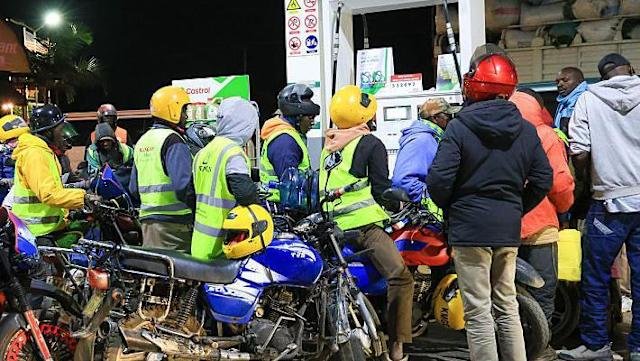
Kenya has recorded a sharp increase in fuel prices, with diesel hitting a record rise even after the government reduced taxes, as global oil markets react to the ongoing conflict involving Iran.
In its latest pricing review, the Energy and Petroleum Regulatory Authority (EPRA) raised diesel prices by 40 Kenyan shillings per litre to reach 206 shillings, while petrol also jumped by 28 shillings to a similar price level. Regulators say the increases reflect rising international oil prices and higher shipping costs, despite the government lowering value-added tax on fuel from 16% to 13%.
The revised prices are expected to remain in place until the next review on May 14.
Across parts of the country, reports of fuel shortages have emerged, though the government maintains that supply remains stable. Officials have instead accused some oil marketing companies of hoarding fuel to exploit the situation.
The price hike comes amid growing controversy over a disputed fuel shipment imported outside official government-to-government arrangements. The consignment, reportedly acquired at a higher cost and questioned over its quality, has sparked public outrage.
There are also allegations that some of the fuel may have entered circulation after being mixed with existing stocks in government storage facilities. Authorities had earlier announced that the shipment was cancelled and barred from sale, but investigations are ongoing following the arrest and resignation of several senior energy officials.
EPRA has clarified that the controversial consignment was not factored into the latest pricing adjustments.
The surge in fuel prices is largely tied to the global energy crisis triggered by the war involving Iran, which began in late February. The conflict has disrupted oil supply chains, particularly affecting shipments through the Strait of Hormuz — a vital route for global energy exports that has seen significant slowdowns.
Although a temporary ceasefire has been reached, concerns persist that the crisis could worsen if supply disruptions continue.
In response to rising costs, several African countries have introduced measures to cushion consumers. Kenya’s tax reduction is set to remain in effect until July, while South Africa has temporarily reduced fuel levies. Other nations, including Zambia, Namibia, and Ghana, have also rolled out similar interventions. Meanwhile, South Sudan has implemented electricity rationing, and Ethiopia has prioritised fuel allocation to critical sectors.