
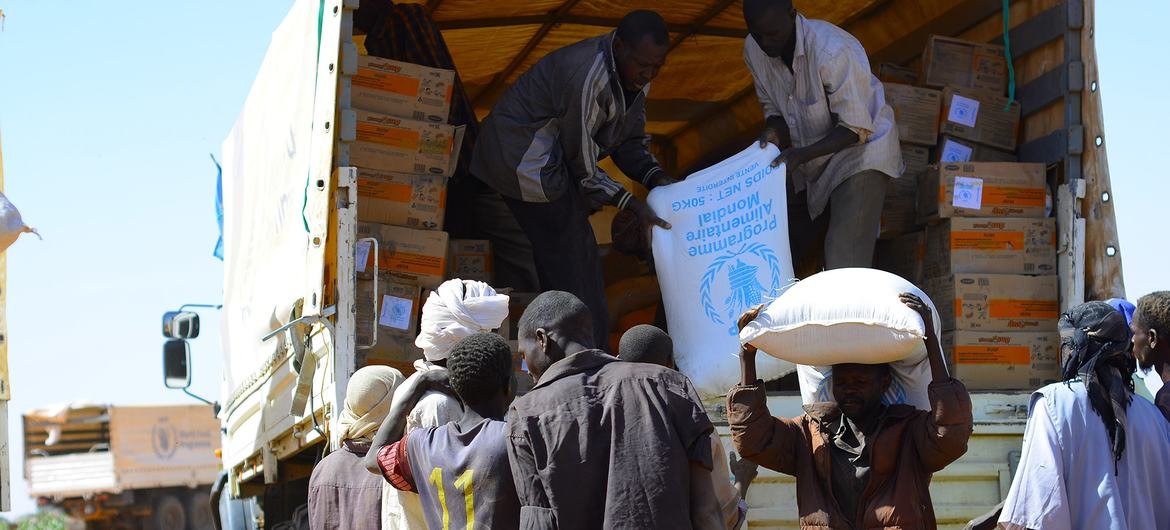
The ongoing civil war in Sudan, which ignited in April 2023, has prompted critical actions by the military government. Recently, two senior officials from the United Nations World Food Programme (WFP) were declared ‘personae non grata’ and ordered to leave the country within 72 hours. This decision has raised alarms amidst a dire humanitarian crisis in which over 24 million people are facing acute food insecurity.
As the military government has not provided justification for this significant move, the WFP has expressed concern over its timing. These expulsions coincide with a pivotal moment of escalating humanitarian needs, as the paramilitary Rapid Support Forces (RSF) captured the vital city of El-Fasher. Activists report that conditions are worsening for approximately 250,000 individuals in the city, many belonging to non-Arab communities. Reports of atrocities and violence have begun to surface, raising fears of a humanitarian disaster reminiscent of past conflicts in the region.
Drawing parallels to the tragic events from 2003 to 2020, Sudan’s humanitarian landscape remains fraught with challenges. During the previous conflict, the Janjaweed militia was notoriously implicated in ethnic cleansing, which has since evolved into the RSF. The current situation is alarming, with local activists confirming numerous abuses, including allegations of executing wounded individuals in hospitals. The international community, along with Sudanese citizens, is rallying to bring attention to the urgent need for protection and humanitarian access in the region.