
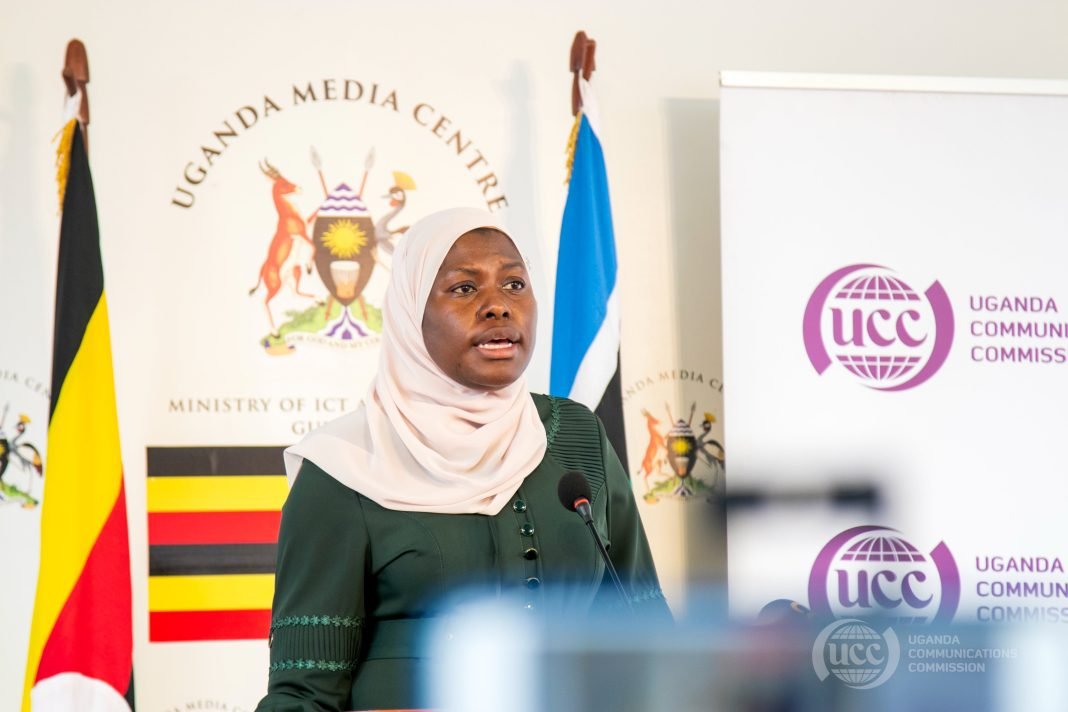
Ugandan authorities have dismissed reports suggesting that the government plans to block internet access during next week’s national elections, insisting there is no intention to impose an online blackout.
Concerns resurfaced after opposition leaders warned that the government could restrict internet access to prevent mobilisation and the sharing of election results. Tensions increased further after satellite internet provider Starlink limited its services in Uganda following a directive from the country’s communications regulator.
President Yoweri Museveni is seeking to extend his four-decade grip on power in elections scheduled for 15 January. His main challenger is opposition leader Robert Kyagulanyi, popularly known as Bobi Wine, a former pop star who has emerged as a strong critic of the ruling administration.
Uganda previously experienced an internet shutdown during the 2021 elections, when online access was blocked for four days amid violent protests that left dozens of people dead.
In addition to the internet concerns, the government has announced a ban on live broadcasts of riots, violent incidents, and what it describes as unlawful processions. Authorities argue that such broadcasts could inflame tensions and cause public panic during the sensitive election period.
However, the Uganda Communications Commission has rejected claims of an impending shutdown. Its executive director, Nyombi Thembo, said reports of an internet blackout were unfounded rumours, stressing that the commission’s mandate is to ensure uninterrupted communication services across the country.
Similar assurances were given by Amina Zawedde, the permanent secretary at the Ministry of Communications and National Guidance. She said the government had not issued any directive to shut down the internet during the elections, describing the reports as false and misleading.
She warned that digital platforms are still subject to the law, noting that the Computer Misuse Act applies fully to online behaviour, including the spread of false information or offensive content. Zawedde also emphasised that only the Electoral Commission is authorised to announce official election results, and that publishing unverified or premature results is illegal.
Despite the government’s assurances, the opposition National Unity Platform has introduced an offline vote-monitoring system as a precaution. The Bluetooth-based application, called Bitchart, allows users to share images of polling station result forms and voting data without relying on internet connectivity.
Bobi Wine said the tool was developed in anticipation of a possible shutdown, citing past election experiences. He accused the government of attempting to disrupt communication to prevent citizens from organising, verifying results, and demanding accountability.
As political tensions continue to rise, Amnesty International has accused Ugandan security forces of intimidating opposition supporters through arbitrary arrests, beatings and the use of tear gas. The rights group claims it has documented abuses against supporters of the National Unity Platform. Ugandan authorities have previously rejected similar allegations.
President Museveni first came to power in 1986 after leading a rebel movement that captured the capital, Kampala. Since then, he has won six elections, with opposition groups repeatedly alleging electoral fraud and intimidation — accusations the government has consistently denied.