
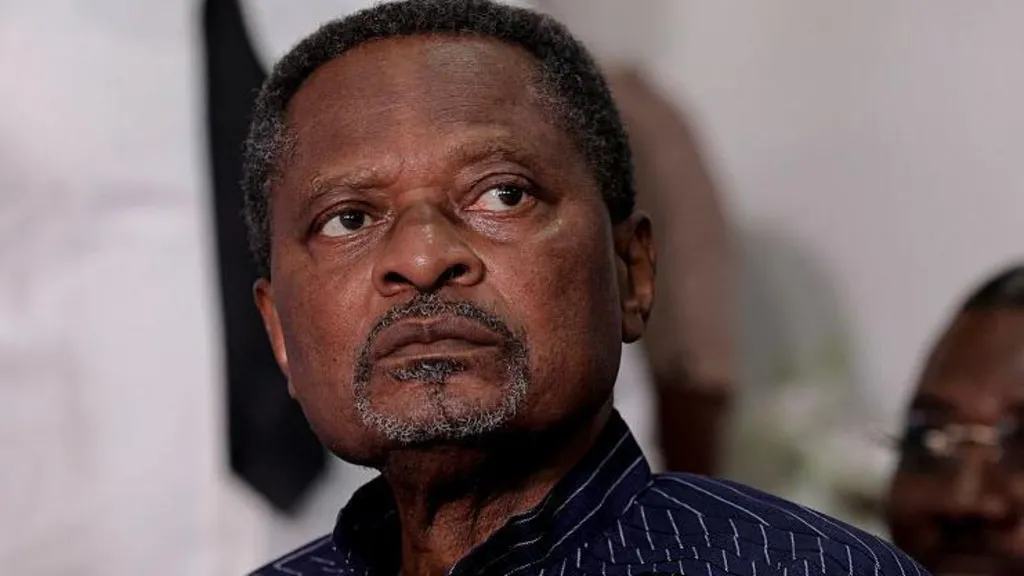
Cameroon has been shaken by the death of prominent left-wing opposition figure Anicet Ekane, who passed away in detention just five weeks after his arrest. His party and legal team confirmed the news, describing his final days as surrounded by uncertainty and unanswered questions.
Ekane, 74, was a key member of an opposition coalition that backed Issa Tchiroma Bakary in the October presidential election. Tchiroma Bakary maintains that he won the vote, though the official results once again declared 92-year-old President Paul Biya victorious. Shortly after the announcement, Tchiroma Bakary fled to The Gambia.
Authorities have released no official cause of death. Manidem — Ekane’s African Movement for New Independence and Democracy — has accused the government of denying him access to crucial medication. Officials have firmly rejected the allegations.
According to Manidem’s spokesperson, Ekane’s health deteriorated sharply over the weekend before he died early Monday morning at a military medical facility. The family was reportedly summoned without explanation.
“When his wife arrived, she was simply shown his body,” the spokesperson said. “There was no clarification, no answers.”
The defence ministry later stated that Ekane died from unspecified illness and insisted that he had been properly cared for since his arrest on 24 October. Government spokesperson René Emmanuel Sadi extended the state’s condolences and confirmed that an investigation has been opened to determine the exact circumstances surrounding the death.
Tributes have poured in from across the political landscape. Renowned anti-corruption lawyer Akere Muna described Ekane’s passing as the “extinguishing of a fierce and passionate flame” for democracy. He revealed that Ekane had confided in him about his worsening health during their last conversation.
“Humanity and basic decency should have compelled his release,” Muna said, noting the Manidem leader’s fragile condition.
Ekane’s lawyers say he had been detained on allegations of hostility against the state, incitement to revolt, and calling for insurrection. Yet he was never brought before a judge, formally charged, or granted a hearing — making the detention “illegal,” according to attorney Hippolyte Meli.
Rumours of his death had been circulating for weeks, prompting supporters to demand that authorities present him “dead or alive.” After confirmation, crowds gathered at Manidem’s Douala headquarters to mourn, while others vented anger online. Party officials say their premises have since been surrounded by security forces.
Ekane had initially backed opposition heavyweight Maurice Kamto for the presidential race. But Kamto’s candidacy was rejected by the electoral commission for alleged procedural violations, prompting Ekane and other leaders to form the Union for Change Coalition, which eventually chose Tchiroma Bakary as its candidate.
The election period was marred by violence. At least 48 people were killed by security forces during protests against Biya’s re-election, according to UN reports. Several demonstrators were shot near Tchiroma Bakary’s residence in Garoua, where he claimed snipers were firing directly at civilians. The government denies any wrongdoing.
Ekane’s death has intensified concerns about political repression, human rights, and the treatment of detainees — raising questions that many Cameroonians fear may never be fully answered.