
Background of the Crisis
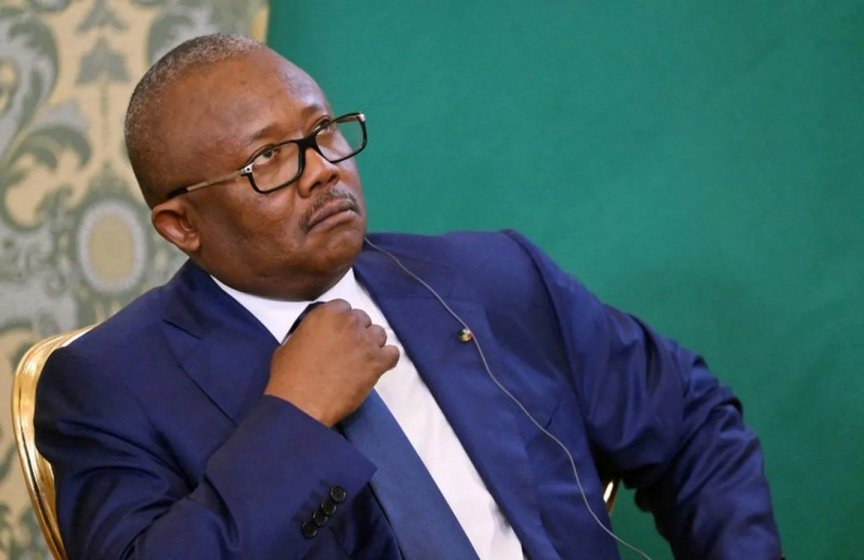
In a dramatic turn of events, Umaro Sissoco Embaló, the ousted president of Guinea-Bissau, has fled to Senegal following his release by military officers who removed him from power. The political upheaval, which has left the country in a state of uncertainty, was confirmed by Senegal’s foreign ministry, stating that Embaló arrived ‘safe and sound’ after negotiations led by the Economic Community of West African States (ECOWAS).
Military Takeover and Immediate Aftermath
The military takeover deepened concerns in a nation already characterized by instability. General Horta N’tam was installed as the transitional president for a one-year term. Just a day before the coup, Guinea-Bissau was preparing to publish results from its presidential and parliamentary elections, which created an alarming backdrop for the midnight military intervention. Soldiers not only suspended the electoral process but also enforced a night-time curfew to maintain control.
Reaction and Concerns for the Future
Residents of Bissau expressed shock and frustration as gunfire erupted, catching many off guard. Although some showed hope that military intervention might provide necessary stability, others voiced concerns that the coup could bring more chaos. The complex political landscape, muddled by power struggles and drug trafficking issues, raises questions about the future governance of Guinea-Bissau. With international bodies like the African Union and the United Nations condemning the coup, the path toward restoring constitutional order remains unclear.
Guinea-Bissau’s ousted president, Umaro Sissoco Embaló, has fled to Senegal after being released by the military officers who removed him from power earlier this week. Senegal’s foreign ministry confirmed late Thursday that Embaló arrived “safe and sound” on a chartered military aircraft following negotiations led by regional bloc ECOWAS to secure his evacuation amid heightened political tensions.
The military has already installed Gen Horta N’Tam as transitional president for a one-year period, deepening concerns in a country long plagued by instability. The takeover unfolded just a day before authorities were expected to publish provisional results from last weekend’s presidential and parliamentary elections. Soldiers subsequently suspended the entire electoral process, sealed off the results, and enforced a night-time curfew.
Military leaders said their move was intended to disrupt an alleged plot involving unnamed politicians backed by a prominent drug trafficker. Guinea-Bissau, bordered by Senegal and Guinea, has long struggled with political turmoil and is notorious as a transit hub for international drug trafficking networks.
Residents of Bissau described scenes of confusion when gunfire erupted on Wednesday. One mother told the BBC she grabbed her children and fled for safety, saying the coup caught many off guard as they were awaiting election results. Others expressed frustration that the country had once again been thrown into chaos, while some voiced hope that military intervention might bring stability if handled responsibly.
Both Embaló and his main challenger, Fernando Dias, had claimed victory in the presidential vote. Dias—backed by former prime minister Domingos Pereira, whose party had been barred from fielding a candidate—claimed he secured roughly 52% of the vote. Government sources said Dias, Pereira and Interior Minister Botché Candé were also detained by the junta.
Tension remained high in the capital on Thursday, with most shops shuttered and soldiers patrolling the streets. Earlier in the day, Gen N’Tam, previously the army’s chief of staff, was sworn in and defended the coup as necessary “to prevent actions that threatened our democracy.” Shortly afterward, the military reopened the country’s land, air and sea borders.
Some civil society groups, however, accused Embaló of orchestrating a “simulated coup” with the military to halt the release of electoral results he feared would show he had lost. Embaló, now 53, has repeatedly claimed he survived several coup attempts during his tenure, though critics say he has a history of fabricating crises to silence opposition. His government had dissolved parliament after an alleged coup attempt in late 2023, leaving the country without a functioning legislature.
Analysts say longstanding power struggles weakened the state under Embaló. According to experts, institutions ranging from the judiciary to parliament had been left incapacitated, creating fertile ground for political confrontation. Some observers believe the coup may have been engineered to eventually return Embaló to power under military oversight, though others argue the armed forces may have acted on their own to avoid a worsening political deadlock.
It was Sierra Leone’s President Julius Maada Bio—current ECOWAS chair—who intervened with Guinea-Bissau’s military to secure guarantees for Embaló’s safety, Sierra Leone’s foreign minister confirmed. ECOWAS has since suspended Guinea-Bissau from all decision-making bodies and demanded the immediate restoration of constitutional order. The African Union and the United Nations have both condemned the coup.
Guinea-Bissau has experienced at least nine coups or attempted coups since gaining independence from Portugal in 1974, underscoring its struggle for sustained political stability.