
A major UK museum has acknowledged that it has little to no information about the origins of thousands of African artefacts now placed on public display, many of which were acquired during the height of the British Empire.
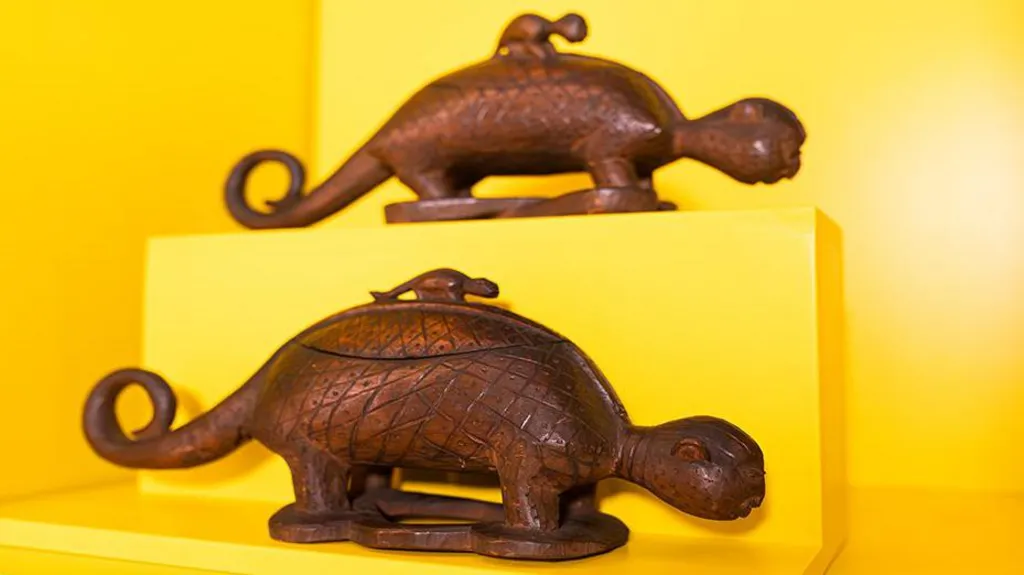
Manchester Museum has brought the objects out of long-term storage and into its newly created Africa Hub, openly highlighting the missing histories, unclear ownership records, and unanswered questions surrounding the collection.
Museum officials say the items — some believed to have been gifted, others stolen or forcibly taken — are being displayed specifically to expose the gaps and silences in their documentation. In several cases, the museum’s records offer little more than a donor’s name and a date.
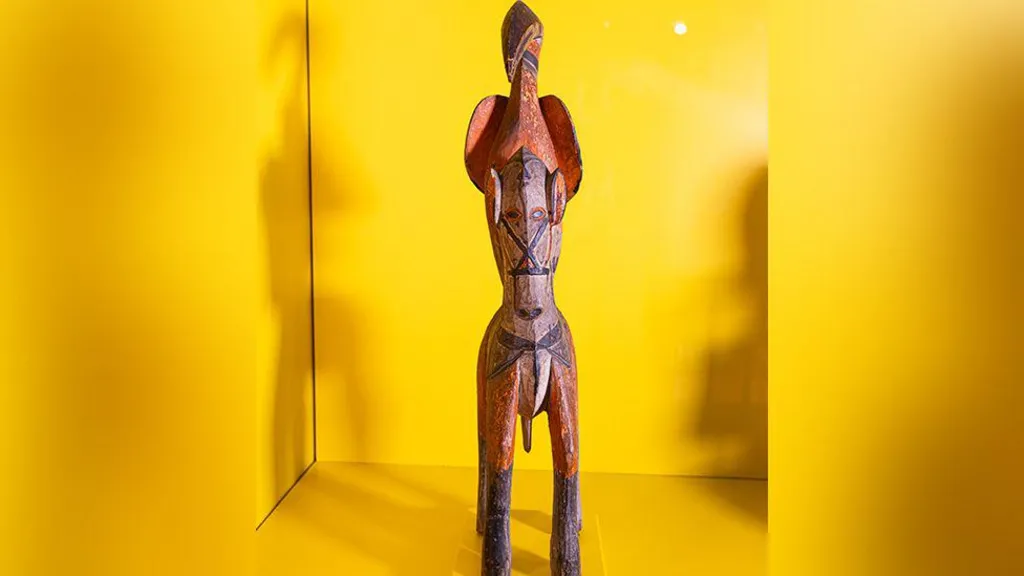
One artefact, a carved figure depicting a horse with an ibis perched on its back, is recorded only as having been donated by a woman identified as Mrs M A Bellhouse in 1976. There is no information about its cultural name, origin, purpose or significance.
Curators say the decision to display such poorly documented objects is intentional. Rather than presenting a polished narrative, the Africa Hub is designed to begin a public conversation about colonial collecting practices and the future of these artefacts.
Curator Lucy Edematie described the gallery as different from traditional exhibitions, noting that it marks the start of a learning process rather than the end of years of research.
“This is about being open and transparent,” she explained. “We want to do our thinking in public and involve communities from the very beginning.”
Manchester Museum holds more than 40,000 objects from across the African continent. Many entered the collection during the colonial era through trade, anthropological expeditions, confiscation or looting, according to museum officials.
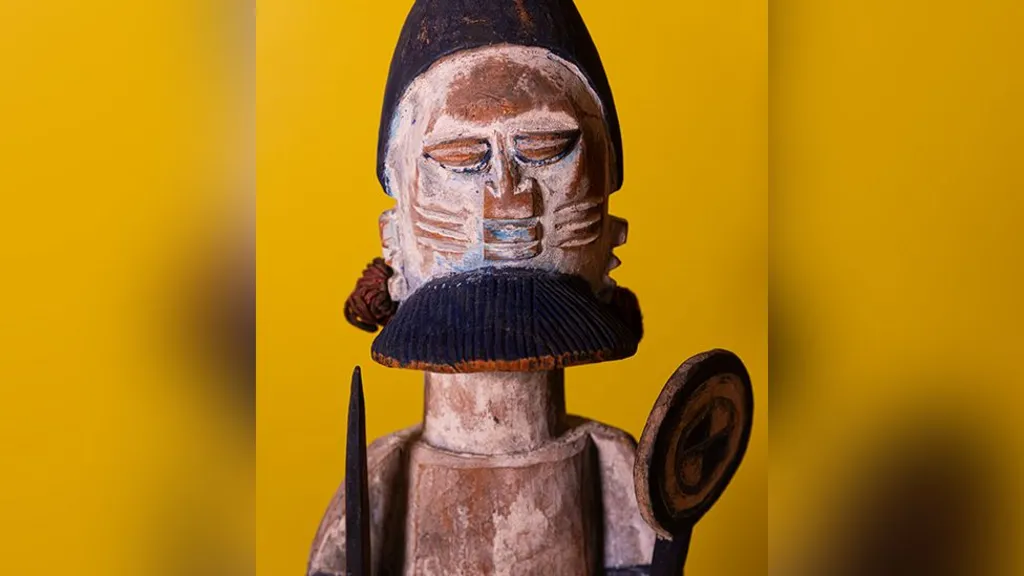
For decades, a significant number of these artefacts remained in storage, labelled with incomplete or missing information, leaving their cultural stories untold.
The museum, which is part of the University of Manchester, says the exhibition could lead to multiple outcomes — including the possible return of items to their places of origin or new partnerships with African and diaspora communities to reframe how the objects are shared and understood.
Some of the displayed artefacts belong to the Igbo people, one of West Africa’s largest ethnic groups. The section was co-curated with the Igbo Community Greater Manchester.
Vice-chairwoman Sylvia Mgbeahurike said the exhibition was an important step toward reconnecting displaced cultural heritage.
“Some of these objects were given, some were stolen, and others were taken through force,” she said. “Bringing them together again shows inclusiveness and reminds us that, despite our differences, something must unite us.”
The exhibition is part of a growing global debate over the legacy of colonial-era collections and the responsibility of institutions to address historical injustice.