
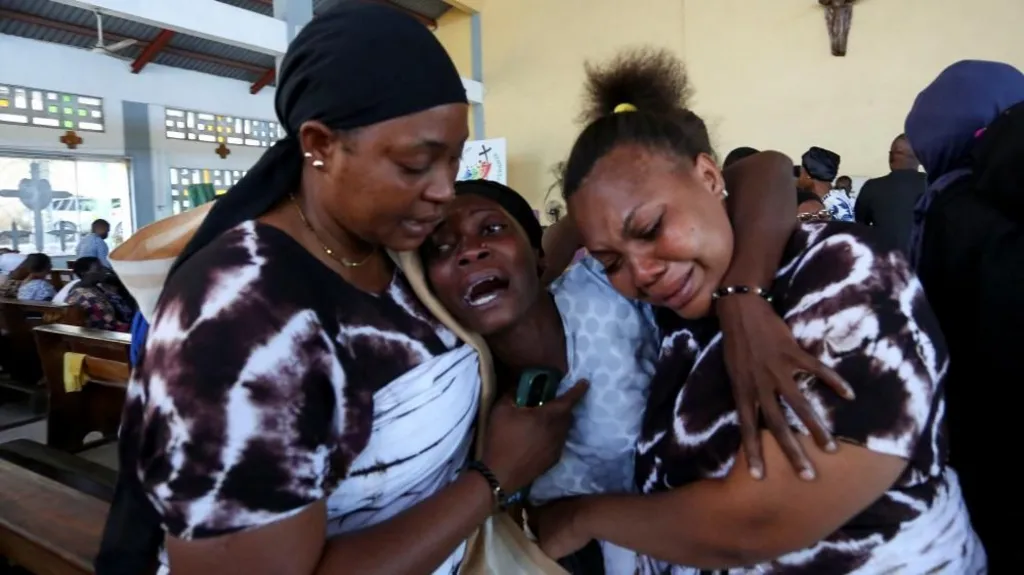
Western governments are urging Tanzania to return the bodies of all people killed during the violent unrest that erupted after the country’s disputed October elections. Seventeen embassies — including the UK, France, Canada, Norway, Switzerland, and several EU member states — jointly pressed authorities to hand over the remains to grieving families.
In their statement, the diplomatic missions cited credible reports indicating extrajudicial killings, disappearances, arbitrary arrests, and alleged efforts by authorities to conceal bodies during and after the post-election crackdown.
Tanzania has responded by announcing the creation of a commission of inquiry, which officials say will help uncover the truth behind what they described as the “unfortunate events.” The government has yet to release an official death toll, though hundreds are believed to have been killed.
Violence broke out after the 29 October presidential election, which saw President Samia Suluhu Hassan declared the winner with nearly 98% of the vote. The exclusion of her main challengers fueled anger among the public, with the opposition calling the election a “mockery of democracy.” Authorities imposed an internet blackout and warned citizens against sharing images from the demonstrations.
President Samia has denied accusations of rights abuses and defended the election’s integrity.
Following the protests, at least 240 people were charged with treason, though Samia later called for prosecutors to show leniency, leading to the release of many detainees. Opposition leader Tundu Lissu, however, remains in custody facing treason charges.
The coalition of Western embassies is calling for all political prisoners to be freed and for detainees to be granted legal and medical access. They also urged Tanzania to release the bodies of all victims to their families without delay.
The group welcomed the launch of an inquiry but insisted that the process must be independent, transparent, and inclusive — allowing participation from civil society, religious organisations, and political stakeholders. They also reminded Tanzania of its responsibility to safeguard constitutional rights, including free expression and access to information.
International pressure is mounting. The UN human rights office says Tanzanian authorities have intensified their clampdown on critics since the election, with academics, activists, and political leaders reportedly detained — some by unidentified armed personnel. The UN estimates that hundreds were killed and more than 2,000 arrested.
The US, meanwhile, says it is reassessing its relationship with Tanzania due to the government’s heavy-handed tactics, warning that such actions threaten regional stability.
Tanzania’s foreign ministry has acknowledged these concerns but urged other countries to wait for the inquiry’s findings before drawing conclusions.
In a fiery speech this week, President Samia accused Western nations of interfering in Tanzania’s affairs and defended the use of force against protesters, claiming they intended to overthrow the government. She also repeated unproven allegations that foreign actors colluded with opposition groups to spark unrest.
The president, who assumed office in 2021 as the country’s first female leader after the death of John Magufuli, was initially credited with easing political tensions. However, critics say the political environment has tightened once again under her watch.