
The White House has confirmed that a senior US Navy commander authorised a second strike on an alleged Venezuelan drug-smuggling vessel — a decision now under scrutiny in Washington.
Press Secretary Karoline Leavitt said on Monday that Admiral Frank Bradley acted “within both his authority and the law” when he ordered the additional strike. She explained that Defence Secretary Pete Hegseth had approved the mission but rejected reports that he had instructed forces to “kill everybody”, as claimed by a Washington Post story.
According to reports, the second strike was launched after two individuals survived the initial blast and were seen clinging to the burning boat. The White House did not confirm the number of survivors or whether the follow-up attack targeted them directly.
Lawmakers from both major parties have expressed concern and are preparing formal reviews of the operation.
“President Donald Trump and Secretary Hegseth have made it clear that groups designated as narco-terrorists can be targeted with lethal force within the boundaries of international law,” Leavitt told reporters.
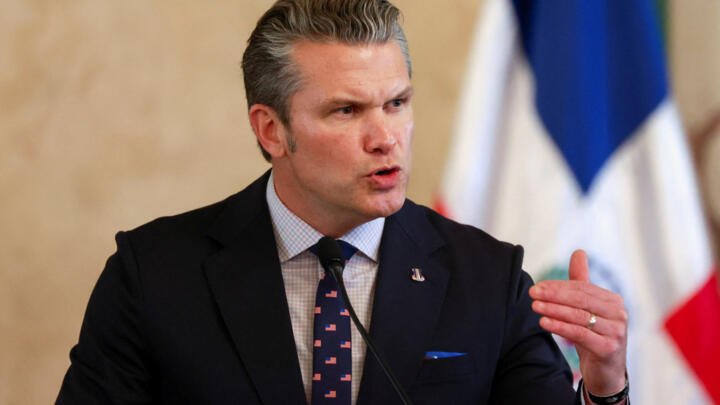
Hegseth has dismissed allegations that he ordered an unlawful killing, describing the claims as “fabricated and inflammatory”. He defended Admiral Bradley as “a true professional” who made the right decisions during the 2 September mission.
The US has increased its military operations in the Caribbean in recent months, conducting several deadly strikes on boats suspected of smuggling drugs from Venezuela and Colombia. More than 80 people have been killed since early September. Officials say these missions are carried out in self-defence to stop narcotics from reaching the US.
The escalation has heightened tensions with Venezuela. Trump has repeatedly signalled openness to deploying US ground troops to the country.
The Senate Armed Services Committee says it will conduct “vigorous oversight” to determine what orders were given during the operation, with plans to review audio, video and testimony. The House Armed Services Committee is preparing a bipartisan investigation of its own.
Experts interviewed by the BBC have raised major concerns about international law, arguing that survivors of the first explosion may have been protected under rules that cover shipwrecked personnel and those no longer able to fight.
The US maintains that its operations in the Caribbean fall under a non-international armed conflict with drug-trafficking organisations. Under the Geneva Conventions, however, the targeting of wounded or incapacitated individuals is prohibited.
The controversy has revived criticism of past military tactics, including so-called “double tap” strikes used under the administration of Barack Obama, where drones sometimes hit the same site twice, resulting in civilian casualties.
Venezuela’s National Assembly has condemned the September strikes and has launched its own investigation. Officials accuse the US of inflaming regional tensions with the goal of destabilising the Venezuelan government.
In a recent interview, Venezuelan Attorney General Tarek William Saab said the accusations coming from Washington were driven by “envy” of the country’s natural resources. He called for direct dialogue between both governments to ease the “toxic atmosphere” that has grown since mid-2024.
Trump recently confirmed he had a brief call with Venezuela’s President Nicolás Maduro, during which he urged him to step down and leave the country with his family. Reports claim Maduro sought amnesty for his top officials and wanted to retain control of the military even after leaving office — conditions the US rejected.
Washington has accused Maduro and senior Venezuelan security leaders of being part of a criminal network known as the “Cartel of the Suns”, which they say is involved in drug trafficking. Maduro denies the allegations.