
UK Plans ‘Earned Settlement’ Overhaul — Some Migrants Could Wait Up To 20 Years for Indefinite Leave
The UK government has unveiled radical changes to its settlement rules that could see some legally resident migrants wait as long as 20 years before qualifying for indefinite leave to remain.
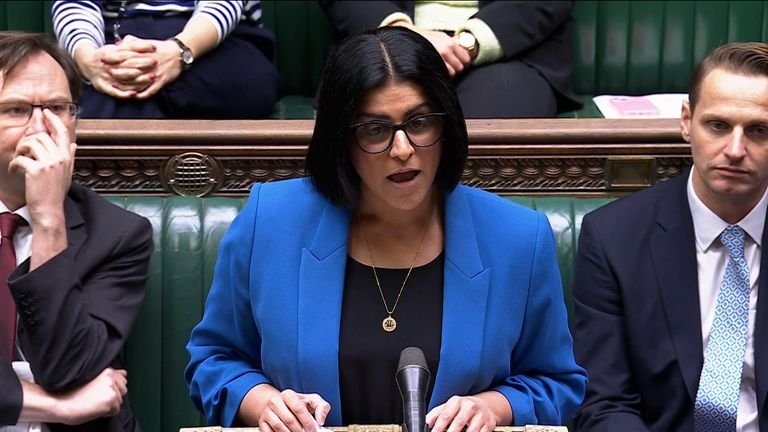
Home Secretary Shabana Mahmood announced that the baseline qualifying period for most migrants would be extended from five years to 10. But that is only the starting point: under the proposed “earned settlement” framework, a range of factors — including use of benefits, earnings, and other behaviours — will push the qualifying time higher or reduce it for high-performing applicants.
Key elements of the plan include:
A standard five-to-ten year shift so most routes will now require 10 years before applying for settlement.
Migrants who claim benefits for under 12 months could face 15 years before settlement eligibility.
Those dependent on benefits for more than a year could be obliged to wait 20 years.
Certain skilled workers and high earners would see accelerated routes: applicants earning £125,140 could settle after three years, while those earning £50,270 could qualify after five years.
Health and social care visa holders would move from a five-year to a 15-year path in many cases.
The government will judge applicants on a mixture of integration, economic contribution and character. Proposed requirements include an English-language standard roughly equivalent to A-levels, a clean criminal record and a minimum earnings threshold (the announcement referenced £12,570 per year over three years as a baseline test). Time spent volunteering and demonstrable community integration could reduce the waiting period in some cases.
Mahmood framed the reforms as restoring public confidence in a system she described as “too open,” saying that settlement is “not a right but a privilege — and one that must be earned.” The package follows a wave of recent immigration policy changes unveiled by the Home Office and is set to be implemented after a consultation ending 12 February 2026, with roll-out expected from spring 2026.
The government says the changes will include exemptions and fast-tracks for those who make an “outsized contribution.” For example, doctors and nurses working in the NHS would generally still be able to settle after five years, and existing humanitarian protections and some fast-track routes (for refugees, bereaved partners, and victims of abuse) will remain.
Critics say the proposals risk damaging essential public services and creating instability for workers who arrived under earlier assurances. Unison warned that forcing long waits on key staff — many of whom were recruited to support the NHS and care services — could worsen staff shortages and undermine retention.
Political opposition has already started to respond: some MPs applauded the tougher stance, while others warned the new system may generate loopholes or unintended consequences. The Home Office expects the changes to curb net migration growth and introduce stronger conditionality into long-term settlement decisions.
If approved, the overhaul will be one of the most significant shifts to the UK’s immigration settlement landscape in decades — shifting the emphasis from time served to demonstrated contribution and integration.