
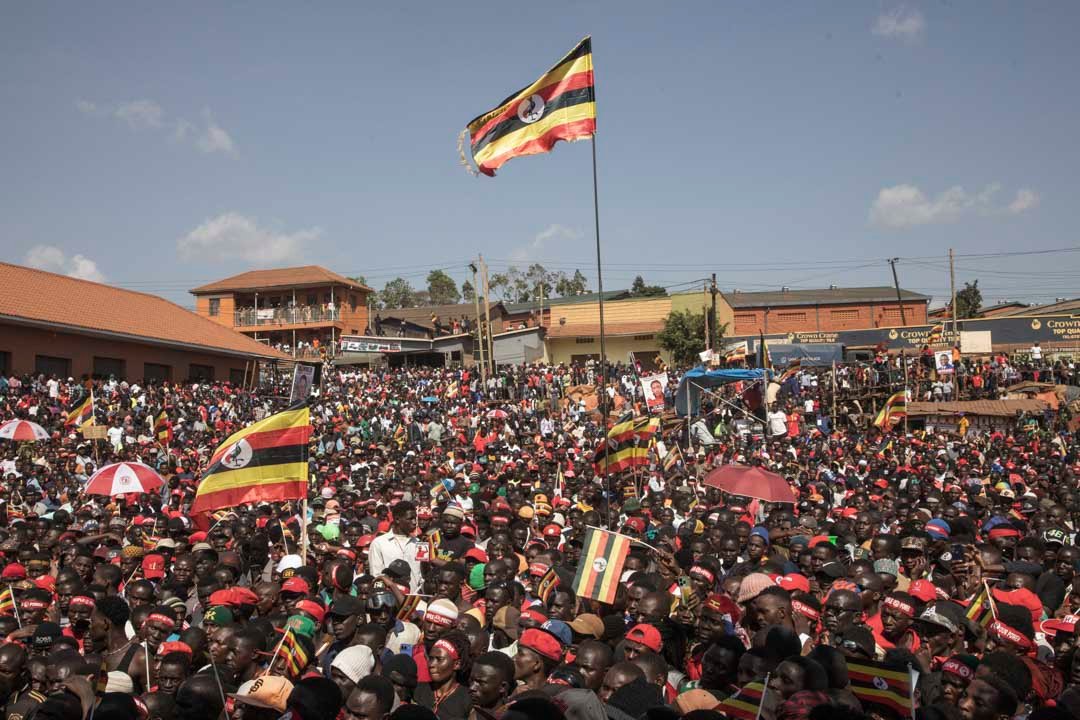
Uganda’s electoral commission chairman, Simon Byabakama, says he has received threats warning him against declaring certain presidential candidates winners following Thursday’s general election.
Speaking to the BBC at the Electoral Commission headquarters in Kampala, Byabakama said the threats were coming from senior state officials, though he declined to name them. He stressed that intimidation would not influence his work and insisted he would declare results strictly according to the law and the will of voters.
His comments come amid widespread circulation of a video showing a presidential assistant suggesting the electoral commission would never announce opposition candidate Robert Kyagulanyi, popularly known as Bobi Wine, as president even if he won the election.
Byabakama dismissed such remarks, saying he was not in the business of “donating votes” and that fear did not factor into his responsibilities. He emphasised that only valid votes cast by Ugandans would determine the outcome of the election.
President Yoweri Museveni, who has ruled Uganda for nearly four decades, is seeking a seventh term at the age of 81. His main challenger, Bobi Wine, a 43-year-old musician-turned-politician, is contesting the presidency for the second time after finishing second in the 2021 election. Six other candidates are also competing in the race, with more than 21 million registered voters nationwide.
The election period has been marked by tension, with opposition groups reporting arrests of activists and the disruption of campaign rallies by security forces. Concerns have also been raised about a heavy military presence in the streets during voting.
Byabakama said the deployment of security personnel was meant to maintain peace and should not intimidate voters. He also acknowledged opposition complaints that some polling stations were located within military premises, adding that the commission was investigating the claims and would take action if necessary.
Ugandan law requires the electoral commission to declare results within 48 hours after polls close. Byabakama reiterated that the candidate who secures more than 50 percent plus one vote would be declared president.
Meanwhile, the government’s decision to cut internet access and limit mobile services ahead of the vote has heightened concerns about repression and transparency. Authorities said the move was aimed at preventing misinformation and electoral fraud.
Despite the tension surrounding the election, Byabakama maintained that the commission would follow the law and deliver results that reflect the choice of Ugandan voters.