
US President Donald Trump says he intends to take legal action against the BBC following an edited segment of his 6 January 2021 speech that aired on the Panorama programme. The BBC has already apologised for the misleading edit but has declined to offer financial compensation.
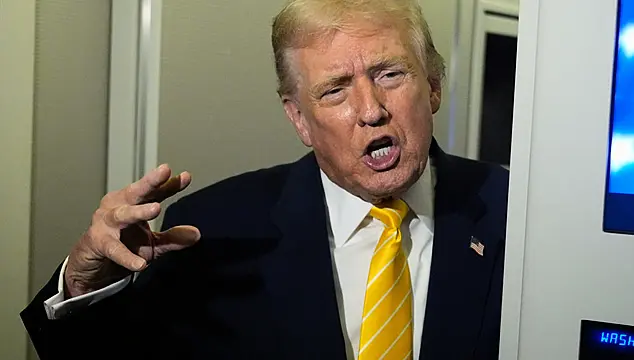
Speaking to reporters aboard Air Force One on Friday evening, President Trump said he plans to file a lawsuit seeking between $1 billion and $5 billion, likely within the coming week.
The controversy began when Panorama condensed Trump’s hour-long address into a short clip that appeared to stitch separate moments together, creating the impression he had issued a direct call for violent action. On Thursday, the BBC acknowledged the edit had unintentionally conveyed a “mistaken impression,” and announced the clip would not air again, though the broadcaster maintains it will not pay damages.
The apology followed a demand from Trump’s legal team, who warned the BBC it faced a $1 billion lawsuit unless it retracted the edit, apologised, and compensated the president.
“They cheated. They changed the words coming out of my mouth,” Trump told reporters, insisting he feels compelled to sue. He added that he had not discussed the matter with Prime Minister Keir Starmer, though the prime minister had requested a conversation. Trump said he would return the call over the weekend.
A review of public court filings showed no lawsuit had been submitted in Florida federal or state courts as of Friday evening. The BBC later said it had received no further communication from Trump’s legal representatives.
In a separate interview recorded earlier, Trump reiterated that he believes he has an “obligation” to challenge the BBC legally, arguing that failing to act would allow similar situations to occur again. He described the edit as “egregious” and compared it to an earlier dispute with CBS’s 60 Minutes, which ended in Paramount Global paying $16 million to settle the matter.
The fallout from the Panorama edit has already led to the resignations of BBC Director-General Tim Davie and Head of News Deborah Turness.
According to the BBC’s statement in its Corrections and Clarifications section, editors did not intend to mislead, but acknowledged that merging two portions of the speech into one sequence created an inaccurate sense of continuity. Lawyers for the broadcaster have outlined five reasons they believe a defamation claim would not stand, including the lack of US distribution rights for the programme, Trump’s re-election after the documentary aired, the absence of malicious intent, and strong legal protections in the US for political speech.
The situation escalated further after a second similarly edited clip from a 2022 Newsnight broadcast was revealed this week.