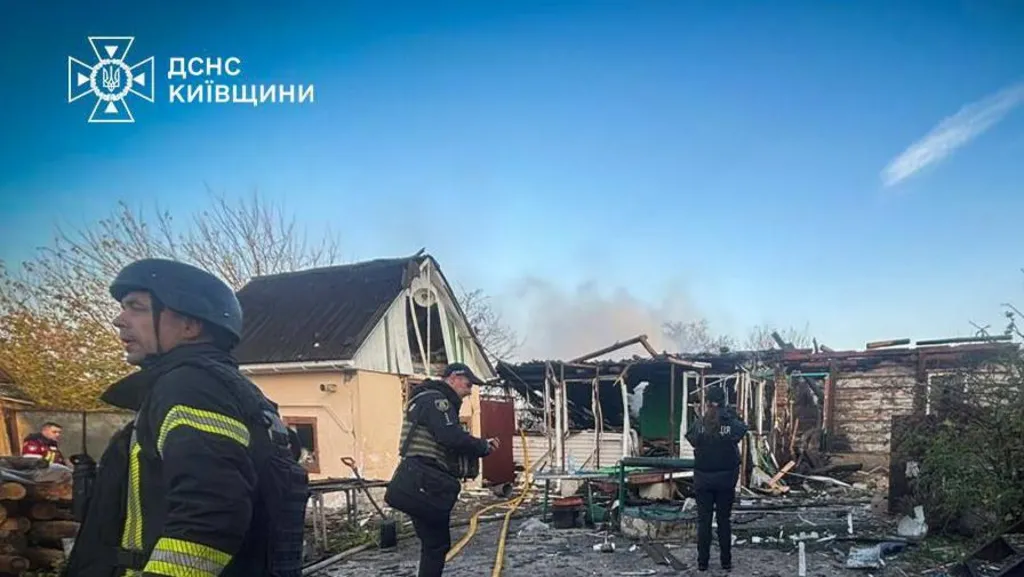
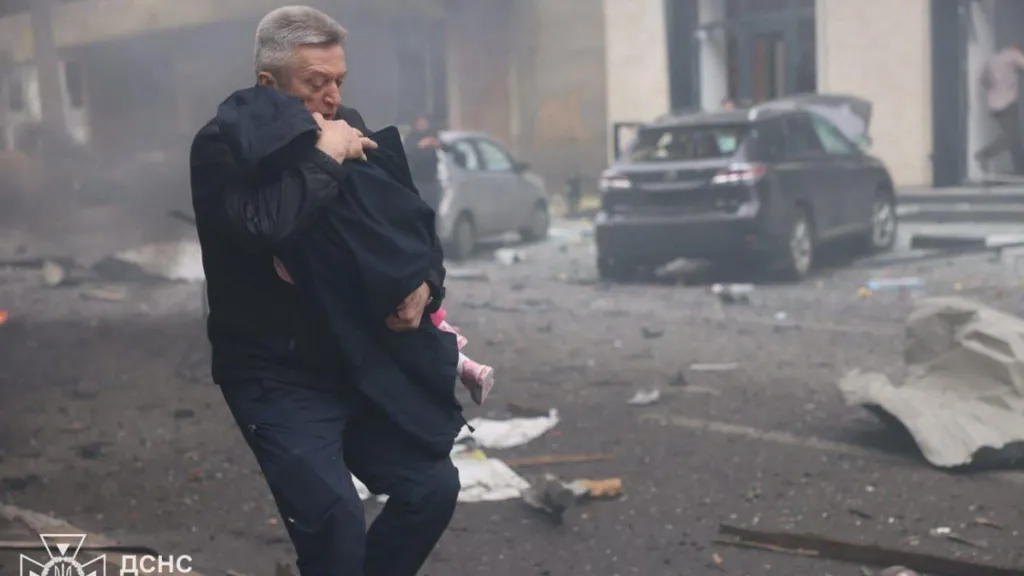
The ongoing conflict in Ukraine has recently escalated, with a series of devastating Russian drone and missile strikes impacting various regions across the nation. These attacks have left communities in ruins, with a tragic human cost that continues to rise. Notably, numerous civilian casualties have been reported, including a heartbreaking number of children, who have become collateral damage in this violent confrontation.
The strikes commenced on a significant scale, launching a mix of aerial assaults targeting key urban areas and sensitive infrastructure. Cities such as Kyiv, Kharkiv, and Odesa have experienced relentless bombardments, raising alarm over the acute threat faced by residents. The immediate aftermath of these attacks has been marked by chaos and destruction, resulting in widespread panic among the civilian population. Emergency services have been stretched thin, working tirelessly to rescue trapped individuals and provide medical assistance to the injured.
The recent Russian operations signify not just an escalation of military aggression but also reflect the deteriorating humanitarian situation in Ukraine. With continued violence and instability, the plight of innocent civilians — especially children — remains a critical concern. As the conflict persists, the international community must take heed of the human suffering unfolding in Ukraine and advocate for measures that prioritize the protection of non-combatants in this ongoing crisis.
The geopolitical landscape surrounding Ukraine continues to evolve, particularly in light of the recent cessation of the planned summit between U.S. President Donald Trump and Russian President Vladimir Putin. The decision to shelve these discussions has significant implications for the ongoing conflict in Ukraine, as it reflects the complex interplay of international relations and military engagements. The failure to convene this vital dialogue may be interpreted as an indication of sustained diplomatic tensions, which can exacerbate the situation on the ground in Ukraine.
In recent months, President Trump had been exploring various avenues for dialogue aimed at reducing hostilities; however, the underlying military aggression exhibited by Russia presents a formidable obstacle. The aggressive posture taken by the Kremlin has prompted calls from global leaders for a more cohesive and decisive international response, particularly with respect to military and humanitarian support for Ukraine. President Zelensky’s remarks highlight the delicate balance Ukraine must navigate, as he articulates the potential benefits of enhanced U.S. military assistance in countering Russian advances. Zelensky has been vocal in his appeals, indicating that such support is crucial for Ukraine’s sovereignty and for deterring further acts of aggression.
As diplomatic efforts falter, Russia’s reaction to perceived external pressures has also become a critical factor in shaping the conflict. Historical patterns suggest that increased isolation or sanctions may provoke more aggressive maneuvers from the Russian state. This context raises pressing questions about the future of Ukraine, as the absence of constructive dialogue between significant powers may lead to prolonged instability, further exacerbating the plight of civilians caught in the crossfire. The interdependence of political dynamics and military actions necessitates a thorough examination to understand the tragic implications for those already suffering amidst the chaos.
In the midst of the ongoing crisis in Ukraine, the voices of victims and survivors offer a poignant glimpse into the harrowing realities faced by those directly affected by the recent Russian strikes. Among the most heartbreaking accounts are those of children, whose lives have been forever altered by the violence. One survivor, a young boy named Anton, recounted how a sudden explosion shattered not only his home but also his childhood innocence. He vividly described the chaos that ensued—his mother frantically searching for him amidst the debris and the haunting sound of sirens echoing through the streets. The emotional scars of such experiences are profound; children like Anton often struggle with nightmares and anxiety long after the physical impacts have faded.
Another survivor, a mother of three named Olena, shared her story of loss and resilience. She lost her youngest child during a strike while they were sheltering together in their home. Her heart-wrenching narrative sheds light on the physical and emotional toll on families, highlighting not only the immediate devastation but also the long-term ramifications of grief and trauma. Despite her immense sorrow, Olena’s commitment to supporting her surviving children and her community has become a symbol of hope and resilience. Many in her neighborhood have come together, providing each other with strength and practical assistance in the wake of the attacks.
The importance of community support cannot be understated in times of crisis. Local organizations and humanitarian efforts are crucial in addressing the ongoing needs for assistance, including psychological support for traumatized children and families. The devastation caused by these strikes has woven a complex tapestry of sorrow, resilience, and solidarity. As survivors share their stories, it becomes clear that while the impacts are tragic, the human spirit can withstand even the most challenging circumstances, emphasizing the necessity of continued support and solidarity in rebuilding lives.
The recent Russian strikes in Ukraine have had a profound effect on the nation’s infrastructure, significantly disrupting daily life for its citizens. Targeted attacks, particularly on energy facilities, have resulted in widespread power outages across various regions. The implications of these strikes extend beyond mere inconvenience; they fundamentally disrupt access to essential services, creating a cascade of challenges for residents. With electricity and heating systems compromised, many families are left to endure harsh conditions without adequate warmth or light, especially as winter approaches.
The destruction of water supply systems has further exacerbated the situation, as many communities are now struggling to access clean drinking water. Service disruptions caused by bombardments have made it increasingly difficult for emergency services to operate effectively. First responders often face overwhelming demands while navigating damaged roads and infrastructure, which can impede their ability to deliver crucial support. Furthermore, the ongoing attacks have strained medical facilities already burdened by the war’s toll, complicating their capacity to care for patients.
In the long term, these infrastructural challenges will have deep implications for Ukraine’s recovery efforts. Rebuilding energy systems, rehabilitating water supply mechanisms, and restoring public health services will require substantial resources and time. Addressing the psychological impacts on the population will also be crucial, as the scars of war linger long after the immediate threats have diminished. The path ahead is fraught with obstacles, and the effects of the recent strikes will resonate throughout the country for years to come.