
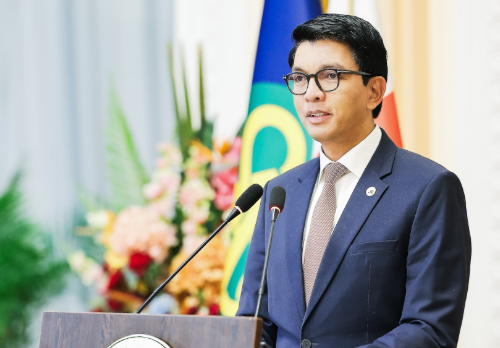
The recent coup in Madagascar has resulted in the ousting of former president Andry Rajoelina, who is now stripped of his citizenship. This drastic decision was made by the new regime, led by Prime Minister Herintsalama Rajaonarivelo, following local law that mandates the loss of Malagasy nationality for individuals holding foreign citizenship. Rajoelina, who acquired French citizenship ten years ago, is now facing significant political and legal ramifications.
Rajoelina’s presidency saw increasing unrest as protests broke out over persistent shortages of power and water. These demonstrations, echoing movements in Nepal, were initially organized by youth groups such as Gen Z Mada. As the situation escalated, Rajoelina’s administration responded with violence, which further fueled the agitation among the populace. Despite public pressure and demands for his resignation, Rajoelina resisted stepping down, leading to a military takeover by Colonel Michael Randrianirina.
With the military now in control, Colonel Randrianirina has assumed leadership and vowed to maintain stability and eventually hold elections within two years. Rajoelina’s disappearance from the political landscape marks a significant shift for Madagascar, as many citizens had hoped for a peaceful transition to democracy. His departure and loss of citizenship have left many questioning the future of governance in the country and what it means for the electorate moving forward.