
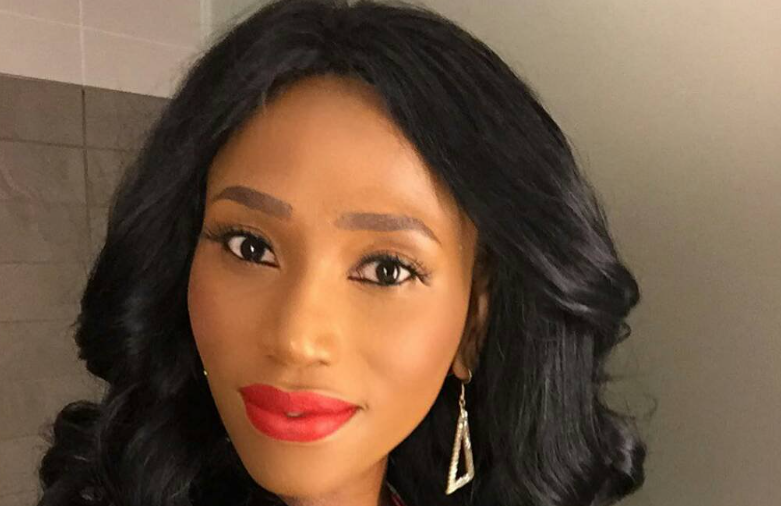
Prominent Tanzanian activist Mange Kimambi says her Instagram accounts were deliberately taken down after she used them to rally citizens to protest against the government following the disputed 29 October elections.
Kimambi, a former model who now lives in the United States, had nearly three million followers on Instagram and has long been one of the most vocal critics of President Samia Suluhu Hassan. Her online influence has drawn accusations from officials that she helped spark the deadly post-election demonstrations.
Meta confirmed the removal of her accounts but insisted the decision had nothing to do with government pressure. A company spokesperson told the BBC that the takedown was due to a violation of Meta’s “recidivism policy,” which prohibits users from repeatedly creating new accounts after previous ones are removed for breaching community rules.
Tanzania’s government spokesperson Gerson Msigwa dismissed Kimambi’s claims and challenged her to provide evidence that authorities intervened.
The controversy comes after statements believed to reference Kimambi, including one from Attorney-General Hamza Johari last month, in which he criticized the idea that “one person outside the country” could direct unrest through social media. He insisted she must be arrested for her role in encouraging demonstrations.
The protests erupted after President Samia was declared the overwhelming winner of the election—securing about 98% of the vote—after major opposition candidates were unable to run. Tundu Lissu is currently jailed on treason charges, while Luhaga Mpina was disqualified over technical issues.
Opposition parties and rights groups say hundreds were killed in the crackdown that followed, though the government has not released an official casualty count. President Samia has defended the use of force, arguing that security agencies acted to prevent attempts to overthrow her administration.
Kimambi says her ban coincided with restrictions on the accounts of another activist, Maria Sarungi, and claimed the timing “proves” Meta was pressured to mute dissenting voices. She has appealed publicly to U.S. President Donald Trump to encourage Meta to restore her social media presence.
In her posts on X (formerly Twitter), Kimambi said she has consistently encouraged peaceful demonstrations and argued that Tanzanians have no safe alternative way to express dissatisfaction with the government.
The U.S. government recently signaled growing concern about Tanzania’s democratic direction. A statement from the State Department said Washington is reviewing its relationship with Tanzania, accusing the government of clamping down on free expression and religious freedom, blocking U.S. investment, and failing to prevent violence before and after the election. It warned that future cooperation will depend on actions taken by Tanzanian authorities.
Kimambi, popularly known as dada wa taifa (“sister of the nation”), rose to prominence on social media in 2016 during the late President John Magufuli’s tenure. Although she briefly supported President Samia when she assumed office in 2021—and was even photographed with her during an official U.S. visit—the relationship soured, and Kimambi has since become an outspoken critic again.
She currently faces legal troubles in Tanzania. In court on Thursday, prosecutors announced a postponement of an ongoing economic sabotage case against her, involving alleged money laundering of over $56,000. Authorities claim she obtained the funds illegally by working as a journalist without accreditation and through intimidation. Kimambi calls the case fabricated and politically motivated.
She said the charges stem from a Tanzanian bank account that held $40,000, which she claims was frozen last year. She insists her last transaction was in 2023.
In her final posts before her Instagram account disappeared, Kimambi urged Tanzanians to prepare for more protests scheduled for 9 December and shared images of the violence and aftermath of recent demonstrations.