
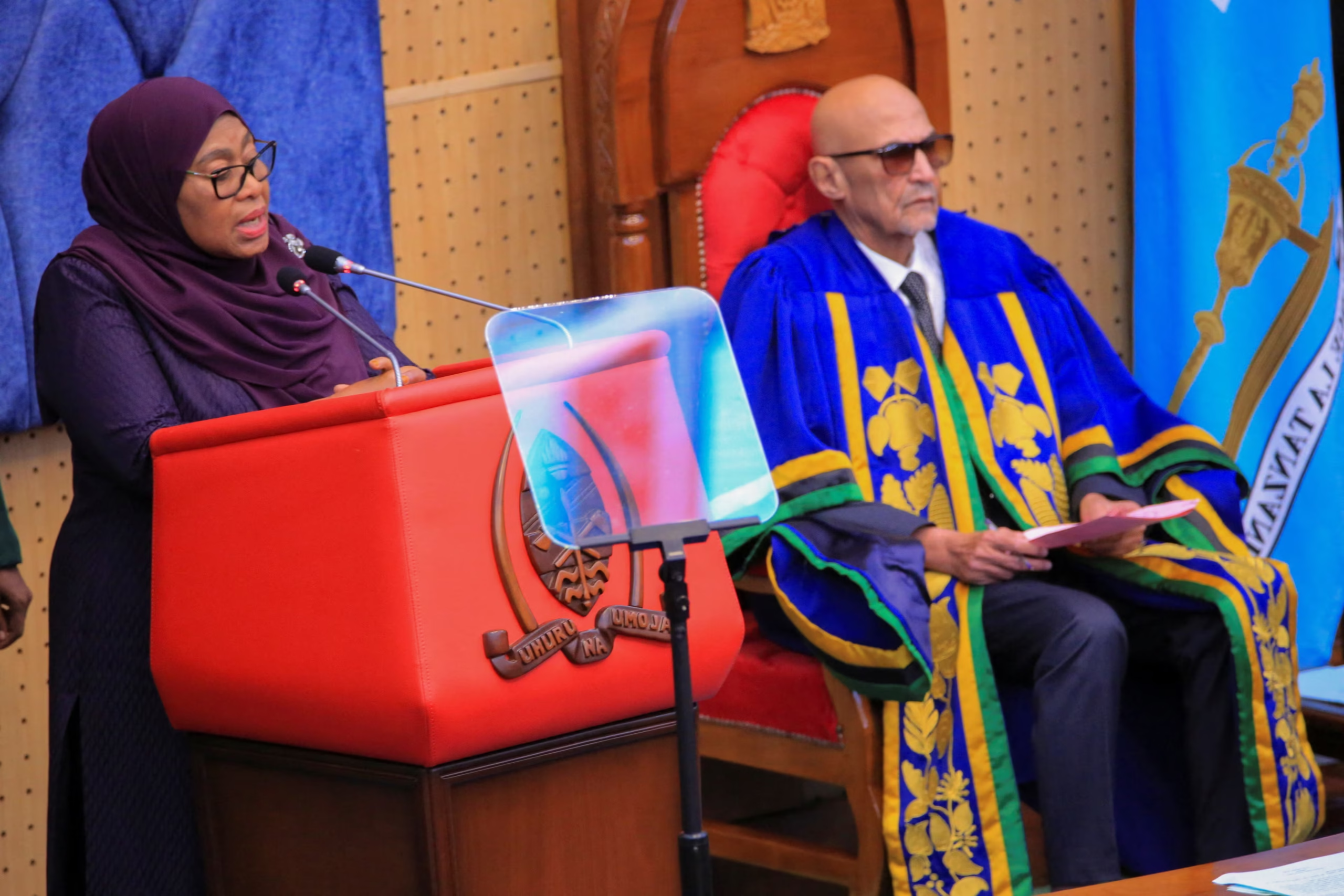
Tanzania’s President Samia Suluhu Hassan has ordered an official investigation into the deadly unrest that erupted during the country’s election week, following mounting accusations that authorities violently suppressed unprecedented youth-led protests.
President Samia won last month’s presidential poll with 98% of the vote, a result the opposition has condemned as a “mockery of democracy.” More than 240 people were charged with treason in the days that followed the demonstrations.
Announcing the commission of inquiry, the president also appealed to prosecutors to show compassion toward those arrested, urging leniency for individuals swept up in the chaos. Quoting scripture, she said: “Father, forgive them, for they know not what they do.”
Her comments come shortly after UN human rights chief Volker Türk called on Tanzania to carry out a full and transparent probe into alleged killings and severe rights abuses during and after the 29 October election. The opposition claims hundreds may have died, though the government has not released an official death toll.
The scenes of violence shocked a nation long known for stability and political calm.
Speaking in parliament, President Samia acknowledged that many young people charged with treason may not have fully understood the consequences of their actions. She instructed law-enforcement agencies, especially the Director of Public Prosecutions, to consider reducing or dropping charges where appropriate.
“As a mother and guardian of this nation, I am directing the DPP’s office to show leniency,” she said.
The president also urged all political parties to meet and agree on ways to conduct political activity without endangering national peace. She reaffirmed her commitment to restarting a long-delayed constitutional review process.
The protests—largely driven by Gen Z activists—mirrored youth-led movements around the world calling out entrenched leadership and unresponsive governance. Analysts note that although the unrest was unprecedented, it emerged from months of rising tension: stalled political reforms, internal struggles within the ruling party, deepening youth frustration, and ongoing pressure on opposition figures.
In the run-up to the election, the ruling CCM party faced accusations of systematically sidelining credible challengers. Two major opposition leaders were unable to contest—Tundu Lissu, who denies treason charges, remains in detention, while Luhaga Mpina was disqualified on technical grounds.
President Samia had once been praised domestically and internationally for opening political space during her first term. She allowed opposition rallies, encouraged public debate, and promoted her “4R” doctrine of reconciliation, resilience, rebuilding, and reform.
But in the months before the vote, a surge of kidnappings, arrests, and killings of opposition members eroded hopes for meaningful reform and raised fears of a return to heavy-handed politics.