
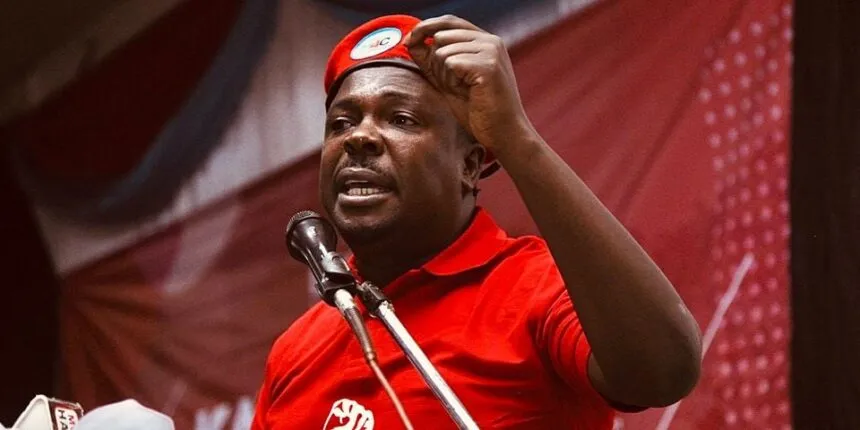
The deputy leader of Tanzania’s main opposition party, Chadema, John Heche, is facing terrorism charges, his lawyer has confirmed — two weeks after his arrest ahead of the country’s disputed elections.
Heche, who was arrested in Dodoma on October 22, has since been transferred to Dar es Salaam, where he was officially informed of the charges, according to his lawyer Hekima Mwasipu. It remains unclear when he will appear before a court.
The Tanzanian government has not yet commented on the development, despite multiple requests for clarification from the BBC.
Heche’s arrest came just days before the controversial 2025 general elections, which the opposition denounced as a “sham”. President Samia Suluhu Hassan was declared the winner with 98% of the vote and was sworn in on Monday, despite widespread allegations of irregularities and violence.
Chadema’s national chairman, Tundu Lissu, is already being held on treason charges, which he denies. The opposition says the arrests of its top leaders show a systematic effort by the government to silence dissent.
International observers, including the African Union (AU) and the Southern African Development Community (SADC), criticized the polls, saying they failed to meet international standards for free and fair elections.
In a strongly worded preliminary report, the AU observer mission said the elections were “compromised”, citing ballot stuffing, multiple voting, and other irregularities. The mission urged Tanzania to undertake electoral and political reforms to restore public confidence in its democratic institutions.
Meanwhile, reports of deadly post-election violence continue to emerge. Families in several regions have been searching for missing relatives or burying loved ones allegedly killed in clashes between security forces and opposition supporters.
Chadema claimed that at least 800 people had been killed, while diplomatic sources told the BBC that credible evidence suggested around 500 deaths. The government has downplayed the figures, insisting the situation has been exaggerated.
During her inauguration, President Samia Suluhu Hassan acknowledged the loss of life and property damage, but said it was “not surprising” that some of those arrested were foreign nationals.
Human rights groups, including Amnesty International, had earlier warned of a “wave of terror” targeting opposition figures, alleging torture, enforced disappearances, and extrajudicial killings. The government dismissed these claims as unfounded.
Heche’s lawyer said his client’s health has deteriorated while in custody, adding that a petition for bail has been filed.
“He is not in good health,” Mwasipu told BBC Swahili, calling for his immediate release pending trial.
The situation marks one of Tanzania’s most turbulent political moments in recent years, with critics warning that the government’s crackdown on dissent could deepen the country’s democratic crisis