
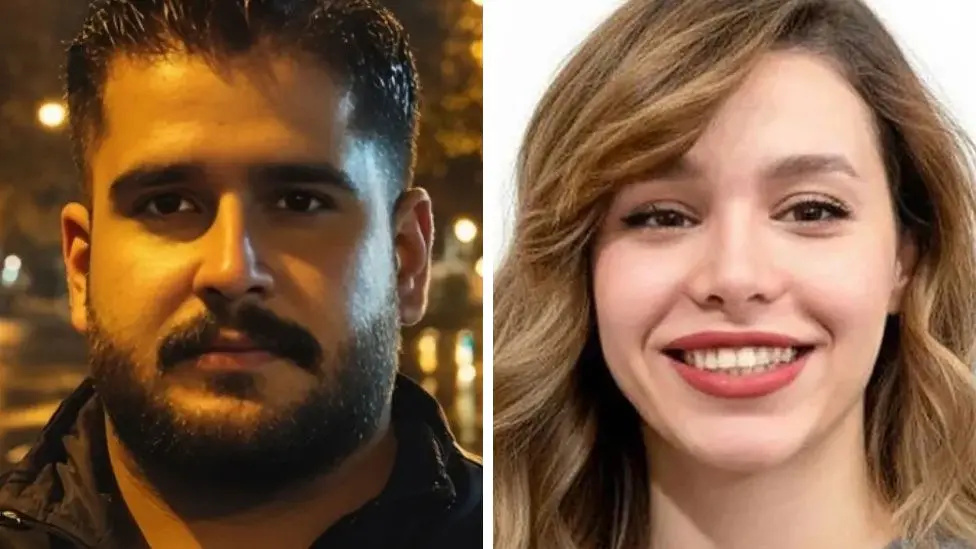
A young football referee and a university student are among the hundreds of people reported killed during Iran’s latest wave of nationwide protests, according to human rights groups and eyewitness accounts.
Amir Mohammad Koohkan, a 26-year-old futsal coach and referee, was shot dead with live ammunition on 3 January during demonstrations in the town of Neyriz in Iran’s Fars Province. A close friend told BBC Persian that Koohkan was widely known for his kindness and compassion, describing his death as devastating for the community.
“Everyone knew him for his kindness,” the friend said, adding that Koohkan’s family is grieving and angry, believing he was killed by state forces. Koohkan had spent more than a decade mentoring young players and was regarded as a respected figure in the town.
Just days later, on 8 January, 23-year-old student Rubina Aminian was killed during a protest in Tehran, according to multiple human rights organisations. Reports indicate she was shot from behind, with Kurdish rights groups alleging that government forces were responsible. The BBC has not been able to independently verify the circumstances of her death.
Aminian, who was studying textile and fashion at Shariati Technical and Vocational College, was described by her family as brave and determined. Her uncle told CNN that she stood firmly for women’s rights and freedom, saying she fought for what she believed was right.
Human rights monitors estimate that nearly 500 protesters and at least 48 members of the security forces have been killed within just two weeks of unrest. Iran-based sources told the BBC the true death toll may be significantly higher. Demonstrations began on 28 December in Tehran over economic hardship and quickly spread to all 31 provinces and more than 180 cities.
What started as economic protests has since escalated into the largest nationwide demonstrations in years, with many protesters openly calling for the end of the Islamic Republic and the rule of Supreme Leader Ayatollah Ali Khamenei. Authorities responded with a heavy crackdown, reportedly arresting more than 10,000 people.
Medical workers inside Iran have described hospitals overwhelmed with casualties. BBC Persian verified reports of dozens of bodies arriving at hospitals in a single night, while footage from morgues near Tehran showed scores of body bags.
Iran has imposed widespread internet restrictions, making it difficult to verify information, and international media organisations are unable to report freely from inside the country. Iranian authorities have labelled protesters as “troublemakers” and accused foreign powers, including the US and Israel, of fuelling the unrest.
The current protests echo the 2022 nationwide uprising triggered by the death of Mahsa Amini while in morality police custody. That movement resulted in hundreds of deaths and tens of thousands of arrests, marking one of the deadliest periods of civil unrest in Iran’s recent history.