
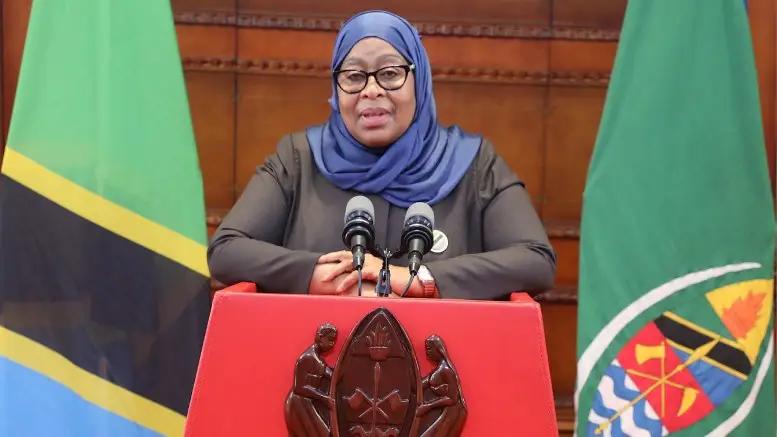
Over the past week, Tanzania has been at the center of global headlines — and I’ve been following every twist closely. Today, the country’s electoral body officially declared President Samia Suluhu Hassan the winner of the recent presidential election, handing her another term in office. According to the commission, she secured an overwhelming 98% of the nearly 32 million votes cast.
But while the numbers look decisive on paper, the reality on the ground has been anything but calm.
For days, tension has gripped the nation. Reports from international observers suggest the process lacked transparency, and the scenes emerging — despite a nationwide internet blackout — hint at a troubling level of unrest. Opposition groups and rights advocates say hundreds of people may have been killed or injured in the chaos. The government, however, insists the situation has been “under control,” extending curfews and urging calm as protests flared across major cities like Dar es Salaam.
Even in Zanzibar, where the region holds its own elections, the ruling CCM party tightened its grip once again. Hussein Mwinyi, the incumbent, reportedly won with nearly 80% of the vote — though opposition voices there are crying foul, calling the process deeply fraudulent.
On the streets, especially among the youth, frustration has boiled over. Many feel their democratic voice has been silenced. Some key opposition figures were either jailed or disqualified before voting even began — one on treason charges, another removed over technicalities — leaving voters with little genuine choice besides fringe candidates with little national support.
Security checkpoints, military presence, and clashes in urban centers tell a stark story beneath the official victory speeches. While government officials downplay the crisis, rights groups paint a much darker picture, pointing to disappearances, torture, and a crackdown on dissent.
President Samia, who made history in 2021 as Tanzania’s first female leader after the passing of John Magufuli, now steps into a new term shadowed by controversy and public anger. Whether her leadership can calm the storm and rebuild trust is a question many, both inside and outside Tanzania, are waiting to see answered.
For now, the streets remain tense, the internet still unstable, and a nation once hailed for its calm democratic posture finds itself navigating an uneasy chapter.