
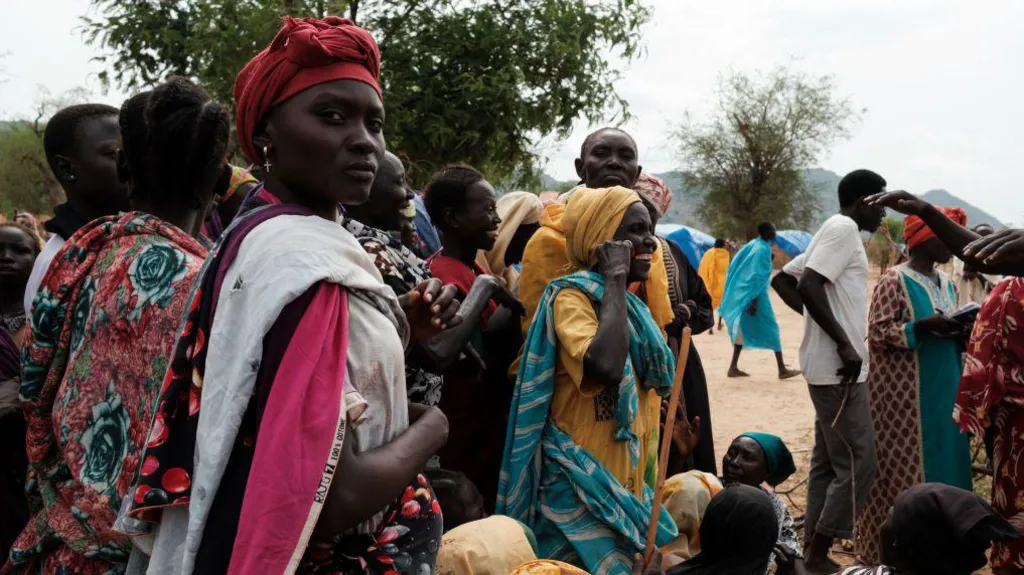
The World Health Organization (WHO) has condemned a devastating attack on a kindergarten and a hospital in Sudan that left more than 100 people dead, calling it a “senseless” act of violence. According to WHO Director-General Tedros Adhanom Ghebreyesus, at least 114 people were killed in Thursday’s drone strikes on the town of Kalogi in South Kordofan, with 63 children among the victims.
Both the Sudanese army and the Sudan Doctors’ Network blamed the Rapid Support Forces (RSF) for the assault. The RSF, which is locked in a brutal civil war with the army, did not immediately comment on the allegations.
The strike is one of the deadliest single attacks on civilians since the conflict erupted in April 2023, when relations between the RSF and the army collapsed into open warfare. The Kordofan region — stretching between Khartoum and Darfur — has become one of the most contested frontlines, with fighting intensifying as the army attempts to regain ground in areas held by the RSF.
Early reports suggested about 50 deaths, but updated figures from the WHO’s Attacks on Health Care monitoring system raised the toll dramatically, confirming 114 killed and 35 others injured.
Local authorities said the drones struck the kindergarten first, then hit a hospital, and targeted the area a third time as civilians and medics rushed in to rescue children trapped in the rubble.
WHO chief Tedros said survivors had been taken to Abu Jebaiha Hospital for urgent treatment and that medical teams were appealing for blood donations and emergency supplies. He added that paramedics attempting to evacuate the wounded also came under fire.
“Sudanese people have suffered far too much,” Tedros wrote on X as he renewed calls for an immediate ceasefire and unrestricted humanitarian access.
In a separate development, the RSF announced it had seized full control of the Heglig oil field — the largest in Sudan. The site, near the border with South Sudan, is a critical hub for processing South Sudanese oil, which forms a major part of Juba’s national revenue and is equally important to Sudan’s foreign-currency income.
Sources told Reuters that government troops withdrew from Heglig to avoid damaging vital infrastructure, while both soldiers and oil workers later relocated to South Sudan. The RSF described the capture as a major strategic victory.
As the conflict drags on with no clear end in sight, humanitarian agencies warn that civilians are bearing the full brunt of the violence, especially in contested regions like Kordofan and Darfur.