
The Malian government has announced the temporary closure of all schools and universities across the country amid a worsening fuel crisis triggered by attacks from jihadist insurgents.
Education Minister Amadou Sy Savane said in a televised statement that all educational institutions would remain closed until 9 November, explaining that severe fuel shortages had crippled transportation for both students and teachers. He assured citizens that authorities were “working tirelessly to resolve the issue” and that classes are expected to resume on 10 November.
The crisis stems from a blockade on fuel imports imposed by Islamist militants linked to al-Qaeda, who have been targeting fuel convoys and tankers traveling along major highways into the country. As a landlocked nation, Mali relies heavily on fuel deliveries by road from neighbouring countries such as Senegal and Ivory Coast.
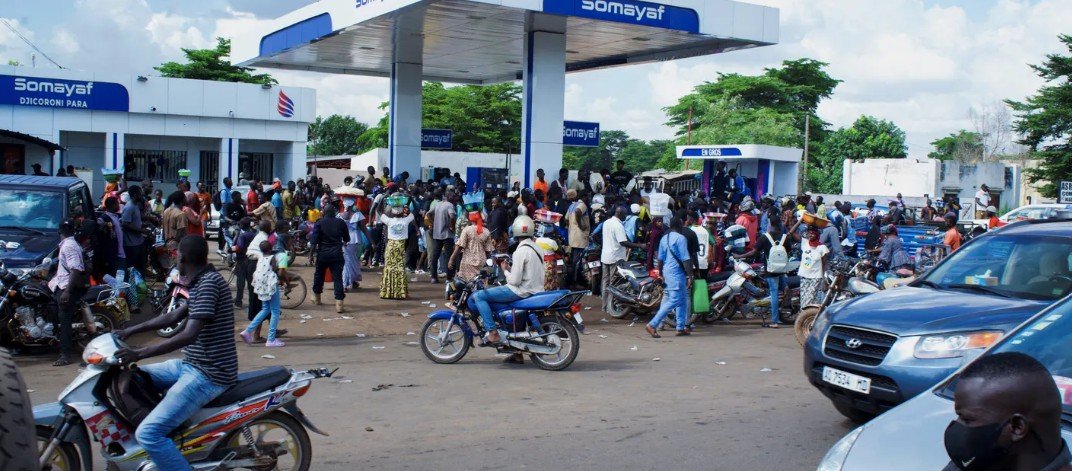
The impact has been severe, particularly in the capital, Bamako, where long queues stretch outside petrol stations and many vehicles remain parked due to fuel scarcity. Once-busy streets have grown noticeably quiet as the shortage continues.
Earlier this month, the military junta led by General Assimi Goïta sought to calm the public, claiming the disruptions were temporary. However, the situation has since worsened, raising alarm both domestically and internationally.
Last week, the US Embassy in Bamako announced the evacuation of non-essential staff and their families, citing growing security concerns and warning that the fuel crisis could “disrupt electricity supply and overall stability in unpredictable ways.”
Mali has been in turmoil since Goïta’s 2021 military coup, which initially enjoyed strong public backing after promises to restore order and confront armed groups in the north. The instability began with a Tuareg separatist rebellion in 2012 that was later overtaken by Islamist factions.
Despite deploying Russian mercenaries to replace departing UN peacekeepers and French forces, the government has struggled to contain the jihadist threat. Vast portions of northern and eastern Mali remain under militant control, and the latest blockade has further strained the country’s already fragile economy and daily life.
With schools shuttered, transport paralyzed, and electricity supply faltering, Malians are bracing for a prolonged crisis unless the government can swiftly reopen key fuel routes and restore stability.