
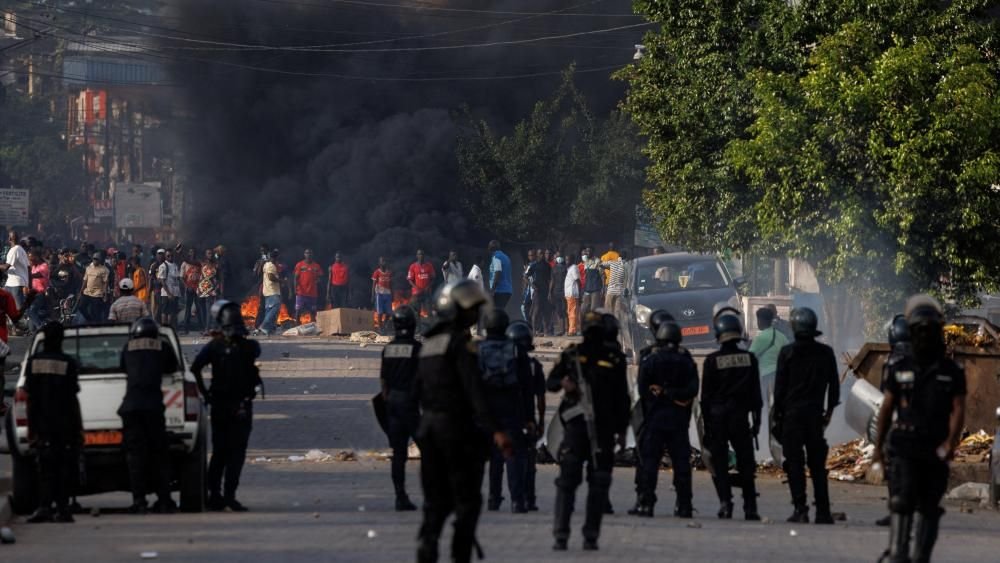
In the wake of Cameroon’s recent electoral unrest, Interior Minister Paul Atanga Nji has announced that opposition leader Issa Tchiroma Bakary will face legal action. This decision follows allegations that Tchiroma incited “violent post-election demonstrations” after he declared victory in the disputed elections held on October 12.
President Paul Biya, who has been in power since 1982, won his eighth consecutive term with 53.7% of the vote. In contrast, Tchiroma Bakary received 35.2%, a result dismissed by his party, the Cameroon People’s Democratic Movement (CPDM). Protests erupted following the election announcement, leading to tragic consequences: at least four protesters were killed during violent clashes with security forces.
Minister Nji has accused Tchiroma Bakary of orchestrating “illegal” protests that resulted in loss of life, claiming that those termed as “accomplices” of the opposition leader will also face legal repercussions. The violent crackdown on protesters has raised alarms internationally, prompting calls from the United Nations, African Union, and the European Union for restraint in handling dissent. Despite the government’s assertion that order has been restored, protests continue in regions like Douala and Garoua, where demonstrators have mounted roadblocks and engaged in civil disobedience.