
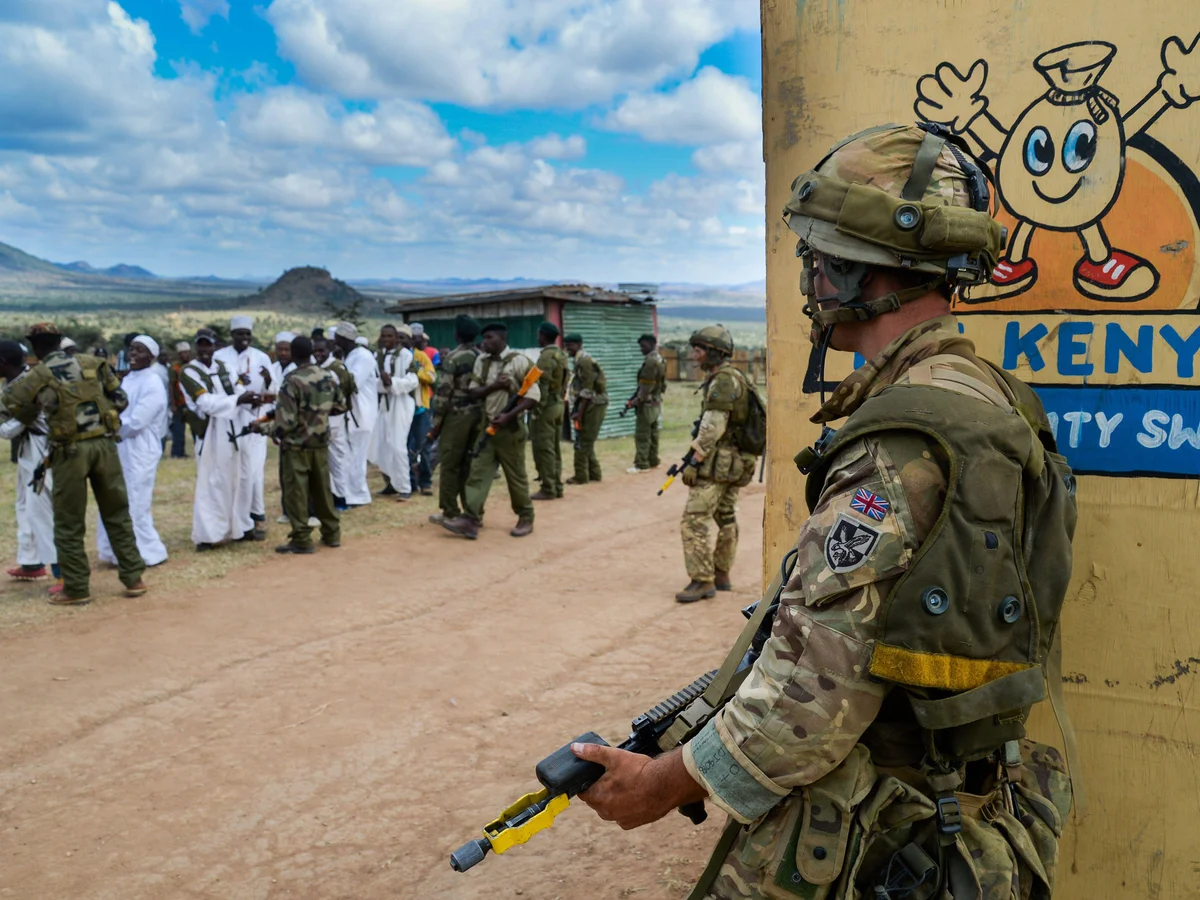
Kenya’s Parliament has levelled serious accusations against British soldiers stationed in the country, alleging decades of sexual abuse, unlawful killings, environmental damage and human rights violations linked to military training operations.
The findings were published in a 94-page report by the Committee on Defence, Intelligence and Foreign Relations, which spent two years gathering testimony from residents, civil society groups and public institutions in Laikipia and Samburu counties—communities that host British Army Training Unit Kenya (BATUK) operations.
According to the report, affected residents described patterns of assault, fatal traffic incidents, shootings and widespread sexual violence attributed to British troops, with many cases said to have been ignored or mishandled by authorities. The MPs concluded that BATUK’s presence is increasingly viewed as “an occupying force,” with some locals comparing their experiences to colonial-era abuses.
One of the most prominent cases highlighted was the 2012 killing of Agnes Wanjiru, whose body was discovered in a hotel septic tank in Nanyuki weeks after she was allegedly seen with British soldiers. The committee said efforts to secure justice had been hampered by interference and slow investigations. A former British soldier was arrested in the UK last month over the case but denies any wrongdoing and is contesting extradition to Kenya.
Another unresolved incident involved the shooting death of herder Tilam Leresh in 2012, allegedly by a British sergeant. Despite UK authorities acknowledging the tragedy, prosecutors previously said they lacked sufficient evidence to pursue charges.
The inquiry detailed numerous accounts of sexual exploitation, including allegations of gang rapes, assaults of women collecting firewood or grazing livestock, and a disturbing 1997 incident in Archer’s Post where around 30 women were reportedly attacked at knifepoint. Witnesses also described public indecency by soldiers, often linked to alcohol and disorderly conduct. The MPs also noted the long-standing issue of abandoned children fathered by British soldiers who returned home, leaving women to face stigma and financial hardship alone.
Environmental concerns formed a large part of the committee’s findings. Locals reported miscarriages, livestock deaths and respiratory problems that they attributed to toxic fumes, leftover military waste and suspected use of white phosphorus during training exercises. Several people were injured or killed after coming into contact with unexploded ordnance left behind on training grounds.
The report criticised BATUK for allegedly failing to conduct mandatory environmental and social impact assessments. BATUK, however, maintains that independent audits show strong compliance with Kenyan regulations and says it has “zero tolerance” for abuse of any kind.
MPs expressed frustration that BATUK repeatedly declined invitations to appear before the committee, instead citing diplomatic immunity. The UK Ministry of Defence said it had addressed issues raised during the inquiry, while the UK High Commission stated it was ready to investigate new allegations once evidence is submitted. It added that the UK “deeply regrets” the challenges caused by its military presence.
The parliamentary committee concluded that the current Kenya-UK defence agreement contains major gaps that make it difficult to hold foreign soldiers accountable for offences, including serious crimes such as murder. It recommended urgent reforms, including a visiting forces code of conduct, strict rules on gender-based violence, stronger environmental oversight, and a mechanism to enforce child-support obligations for children fathered by British troops.