
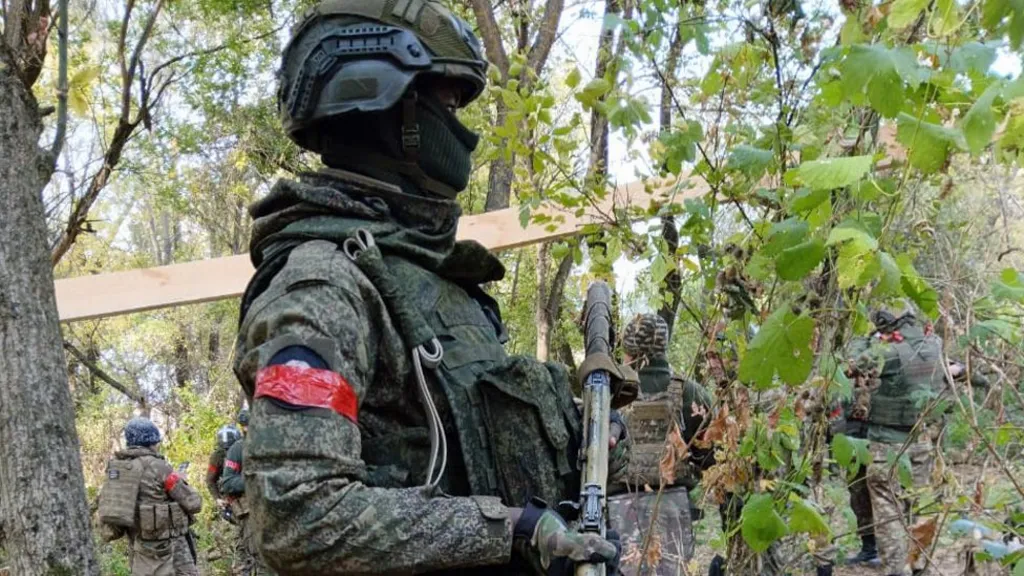
Families in Kenya are desperately seeking answers as growing evidence suggests that young Kenyan men, lured by promises of lucrative jobs in Russia, are instead being deployed to fight on the frontlines of the war in Ukraine.
Among them is 22-year-old David Kuloba from Kibera, whose mother, Susan Kuloba, recalls trying to discourage him from accepting a supposed security job abroad. Their hopes had initially been high when he announced he had found work, believing it was the kind of rare opportunity many in their community dreamed of. But when she saw he was heading to Russia, her concerns intensified.
Despite her warnings, he left the country in August — without telling her the date of his departure. Days later, she received a shocking photo of him dressed in full combat gear. He told her the job had “changed” and that he and several other Kenyans had received two weeks of combat training before being sent toward the Ukrainian frontline.
Kuloba later admitted they had been ambushed in Russian-controlled territory. In early October, he sent his mother a final voice message with his military ID details “in case he did not survive.” She has heard nothing from him since.
Her attempts to get answers from contacts in Russia only brought confusion — messages in Russian, vague statements that he was “missing, feared dead,” and suggestions she travel to Russia, which the family cannot afford. Though she was told she may be “entitled to compensation,” no official documentation has been provided.
Another Kenyan family shared a similar ordeal. Their son, recruited under the impression he would work as a driver, returned home injured and deeply traumatized. He revealed he received just two weeks of training before being sent into battle, saw bodies strewn across the battlefield, and survived for days without medical care before being evacuated.
Kenyan authorities now acknowledge the scale of the issue. Officials say around 200 Kenyans are believed to be fighting for Russia, with multiple recruitment agencies under investigation. Licences have been suspended, and Parliament’s Defence and Foreign Relations Committee is questioning agencies on how the men were recruited and what information they were given.
But families say government action is too slow and lacks transparency. Many feel abandoned as they struggle to confirm whether their loved ones are alive, missing, or dead.
Lawmakers say repatriation and compensation issues must go through diplomatic channels, since the men signed contracts — even if they did not understand the nature of the work. Kenya is now drafting tougher regulations to monitor and license recruitment agencies.
The problem is not unique to Kenya. Several African nations have reported similar cases of young people being enticed with high-paying job offers in Russia, only to end up in military roles. In South Africa, the matter has sparked controversy amid allegations linking public figures to recruitment networks — claims strongly denied.
Meanwhile, Ukrainian authorities warn that anyone fighting for Russia will be treated as an enemy combatant, urging foreign recruits to surrender if they want safe passage.
For Susan Kuloba, the uncertainty is unbearable. She hopes for clarity, and if the worst is true, she wants her son’s body returned home.
“He wanted to help us,” she said. “He thought he was going for a better job.”