The Legacy of Raila Odinga
Raila Odinga’s journey through Kenyan politics has left an indelible mark on the nation’s landscape. As a staunch advocate for multi-party democracy, his influence transcended traditional political boundaries. Odinga’s relentless pursuit of political reform began in the early years of Kenya’s independence, positioning him as a pivotal figure in the fight against the one-party state. His efforts not only contributed to the eventual liberalization of Kenya’s political environment but also inspired a generation of leaders and activists committed to advocating for democratic ideals and human rights.
His nickname, the ‘people’s president,’ encapsulates his unique ability to resonate with Kenyans from diverse backgrounds. Odinga connected with the masses through grassroots campaigns and public engagements, amplifying the voices of those who felt marginalized by the prevailing political elite. This ability to mobilize citizens, coupled with his emphasis on social justice, positioning him among other great leaders like Nelson Mandela, who fought valiantly against oppression. Both figures are remembered not just for their political achievements but for their embodiment of hope and resilience in pursuit of equality and freedom.
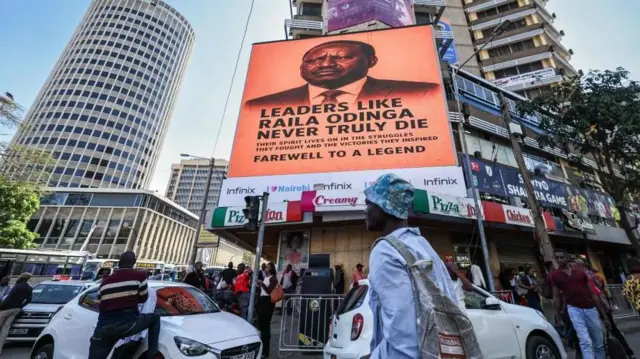
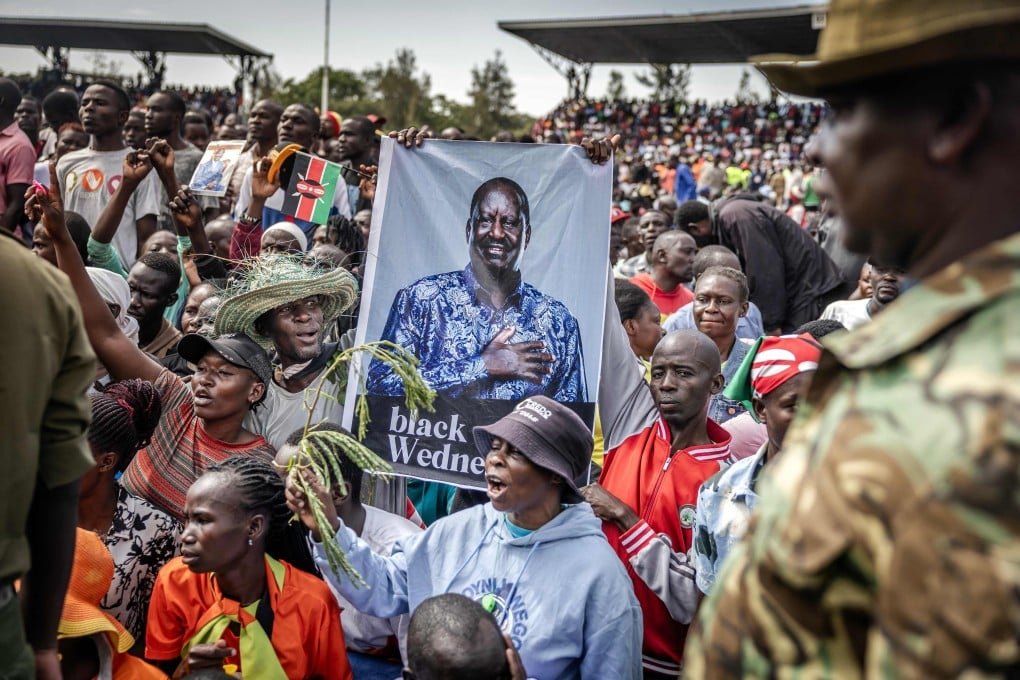
The emotional response to Odinga’s death is a testament to his enduring legacy. Many view him as a symbol of the struggles faced by ordinary Kenyans, and his passing marks a significant loss for a nation still grappling with political challenges. The void left by his leadership may spark a reassessment of his contributions to national discourse, encouraging a renewed commitment to participatory governance and civic engagement among citizens. As Kenyans reflect on his life, it is evident that Raila Odinga’s influence will continue to shape the political landscape, inspiring future generations to dream of a more just and equitable society.
The Immediate Political Vacuum
The passing of Raila Odinga has created a significant political vacuum in Kenya, one that poses serious implications for both the opposition and the ruling government led by President William Ruto. As a long-standing figure in Kenyan politics, Odinga was not only the leader of the Orange Democratic Movement (ODM) but also a symbol of resistance and hope for many Kenyans. His absence is bound to impact the political landscape, leading to notable shifts in both party dynamics and national governance.
In the immediate aftermath of Odinga’s death, the ODM faces daunting challenges as it grapples with leadership succession and the need to maintain cohesion among its members. A strong national figure like Odinga played a pivotal role in uniting diverse factions within the party, and his passing raises concerns about fragmentation and potential infighting. Without his unifying influence, the risk of dissent within the ODM may heighten, creating uncertainty about the party’s strategic direction moving forward.
Moreover, Odinga’s demise could embolden the current government, potentially leading to an increase in state repression against dissenting voices. The opposition might lose its footing, making it easier for the administration to implement policies without significant pushback. However, this could also trigger a backlash, prompting fragmented opposition groups to coalesce in response to perceived authoritarian tendencies. The absence of a seasoned negotiator like Odinga may complicate these dynamics, as previously established channels for dialogue and compromise may remain dormant.
Moreover, without a strong opposition leader, the political climate risks becoming more polarized. This could pave the way for rising tensions among various political factions, which might escalate into unrest or violent confrontations. In this politically charged environment, the quest for stability becomes imperative, with the potential for unexpected alliances or shifts in loyalties among political actors.
Reactions and Reflection on Leadership in Kenya
The passing of Raila Odinga, a prominent political figure in Kenya, has evoked a wide range of responses from multiple stakeholders across the nation. Political leaders have expressed their condolences, highlighting Odinga’s lasting impact on the political landscape of Kenya. His ability to mobilize and influence the masses cannot be understated, as many see his legacy as a beacon of hope for democracy and social justice. Various politicians have taken this opportunity to reflect on the challenges that face the country, pondering whether Kenya can evolve beyond personality-driven politics, which have historically dominated the political narrative.
Activists and civic leaders are equally vocal, calling for a reexamination of Kenya’s political dynamics in light of Odinga’s death. Many argue that his passing presents a pivotal moment for the nation to foster an inclusive democracy that transcends individual personas. The discourse surrounding potential successors is rife, with suggestions that the future leadership of Kenya should prioritize ideological conviction over charisma. This marks a crucial juncture in Kenyan politics, as the public yearns for leaders who can resonate with the nation’s diverse populace and tackle pressing issues collectively.
Ordinary citizens are also actively engaging in discussions about Odinga’s legacy and its implications for Kenya’s future. Many view his death as a challenge to the status quo, suggesting that the emergence of younger leaders could inject fresh ideas and energy into the political realm. The recognition that change is essential is becoming increasingly common, as Kenyans reflect on the need for a collective ideological resistance against entrenched political norms. This moment in history presents a unique opportunity for the Kenyan populace to rally around a vision that promotes unity, accountability, and proactive governance.
Looking Ahead: The Future of Kenyan Politics
The political landscape of Kenya stands at a crucial juncture following the death of Raila Odinga, a figure whose influence has shaped the nation’s democratic journey for decades. As Kenya looks ahead, numerous scenarios emerge regarding the outlook for the upcoming 2027 elections. Political analysts anticipate that political parties, particularly the Orange Democratic Movement (ODM) that Odinga led, will need to recalibrate their strategies to resonate with an electorate increasingly disillusioned by entrenched corruption and limited progress.
The ODM will face the task of defining its direction in the absence of Odinga’s charismatic leadership. Potential successors will need to harness the party’s historical connection to grassroots movements and demonstrate an ability to translate public discontent into coherent policy proposals. On the other hand, the ruling party will have to navigate public scrutiny and expectations, particularly as citizens demand transparency and accountability from their leaders.
Moreover, Odinga’s legacy may inspire new political movements aimed at advancing civil rights and promoting inclusivity in the political process. This could lead to the emergence of alternative parties or coalitions, which may unite around shared values of equity and social justice, offering progressive solutions to the nation’s challenges. The younger demographic of voters, who are increasingly vocal on social media and other platforms, may play a pivotal role in shaping these movements and demanding change from traditional political narratives.
As Kenya approaches its next general elections, the possibility of a shift towards a more participatory democratic process grows. Voter engagement initiatives, powered by technological advancements, could facilitate a more informed electorate, fostering active participation in politics. In conclusion, the future of Kenyan politics is fraught with uncertainty yet also brimming with potential, as citizens and leaders alike navigate the evolving dynamics sparked by Odinga’s passing and the consequent shifts in political allegiance, policies, and civic engagement.