
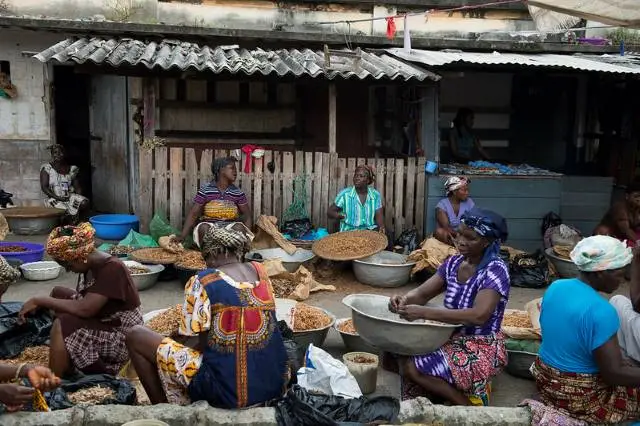
Ghana is facing an alarming rise in food insecurity despite producing more than enough to feed its people. New data released by the Ghana Statistical Service (GSS) paints a grim picture: between the first and last quarters of 2024, the number of food-insecure Ghanaians surged from 12.4 million to 13.3 million — a 7.3 percent jump representing nearly one million more people struggling to eat.
This increase underscores a deep national crisis. It isn’t just about numbers — it’s about everyday Ghanaians unable to access quality meals. The GSS defines food insecurity as the “lack of access to adequate and nutritious food required for an active, healthy life.” In real terms, that means parents skipping meals, children eating less-nutritious food, and families making impossible choices between food and medicine.
A Growing Threat to Children
The report reveals a disturbing rise in child malnutrition. The share of food-insecure households with underweight children under five rose from 38 percent to 44.9 percent — a signal of an emerging public-health emergency. The UN Resident Coordinator, Zia Choudhury, described meeting a 14-year-old girl “the size of an eight-year-old,” calling her condition “stunting” — a lifelong developmental setback caused by chronic undernutrition.
In the Volta Region, where food insecurity is highest, mother Selom Gavor captures the human side of the statistics: “When the food money finishes, I must choose between buying maize for kooko or medicine for my child. It’s a choice no mother should face.”
Poverty and Hunger: A Dual Crisis
The GSS found that Ghanaians facing both poverty and food insecurity increased from 3.7 million to 4.1 million. This dual deprivation shows that hunger isn’t just about food shortages — it’s a symptom of systemic inequalities in income, health, and living standards. The report calls for “integrated policy responses” that address these deprivations simultaneously rather than through temporary food aid.
Regional and Gender Gaps Widen
The Volta Region recorded the country’s highest food-insecurity rate at 52 percent in late 2024. Even in the Greater Accra Region — typically better-off — food insecurity jumped from 20.2 percent to 29 percent. Female-headed households remain the most vulnerable, rising from 40.4 percent to 44 percent compared to 32.4 percent to 37.1 percent for male-headed homes. These figures underline the urgent need for social-protection programs targeting women and rural families.
Surplus Without Security
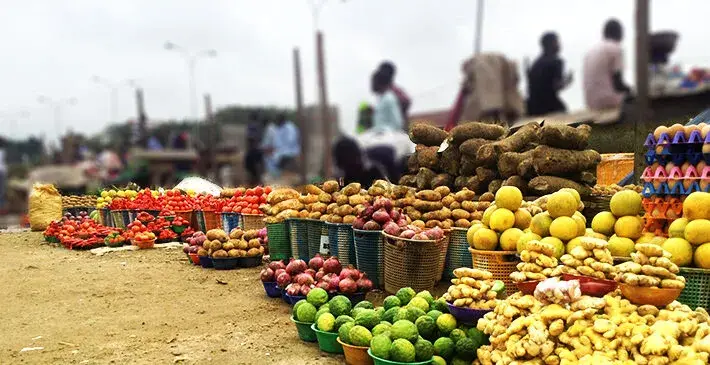
Perhaps the greatest irony is that this crisis is happening amid agricultural surpluses. Ghana’s bumper harvests have failed to translate into national food security. Experts and the UN blame poor storage systems, bad roads, and supply-chain inefficiencies for this paradox. Massive post-harvest losses — estimated between $1.9 billion and $2 billion annually — mean that much of Ghana’s produce rots before reaching markets.
Agribusiness economist Daniel Fahene Acquaye describes the situation bluntly: “Ghana is like a warehouse without a roof.” He argues that the country’s focus on boosting output must now shift toward preservation, logistics, and value addition. He adds, “Our annual food waste could feed the entire Ashanti Region for more than a year.”
Farmers’ Struggle
For smallholder farmers, the consequences are devastating. One yam farmer lamented, “I watched half my harvest rot because the roads were bad and buyers refused fair prices. It feels like punishment for working hard.” Others echo similar frustrations — “We feed the nation, but the system starves us of profit.”
Flagship programs such as Planting for Food and Jobs have increased crop yields but failed to address storage and market access. The government’s One District, One Warehouse project, intended to improve preservation, has stalled — with many completed facilities left unused. Meanwhile, the One District, One Factory initiative was discontinued in 2025 as policy focus shifted to agro-processing.
Climate and Regional Pressures
Climate change is worsening the crisis. Erratic rainfall, droughts, and flash floods are hurting smallholder farmers — who produce most of Ghana’s food. These shocks disrupt production and supply, pushing prices higher for consumers. The GSS and UN both stress the need for “climate-resilient agriculture,” including irrigation, drought-tolerant seeds, and eco-friendly processing methods.
Regional instability adds another layer of risk. Conflicts and extremist activity near Ghana’s northern borders threaten both farming and trade routes, while cross-border price volatility fuels domestic inflation. Analysts warn that Ghana’s internal food insecurity undermines its role as host of the African Continental Free Trade Area (AfCFTA) Secretariat — which aims to build stronger agricultural trade across the continent.
Political and Public Reaction
Opposition parties have criticized the government’s handling of the crisis, pointing to rising hunger and poverty as signs that agricultural investments are not benefiting ordinary citizens. Civil-society groups and academics echo the UN’s call for comprehensive reforms, emphasizing that “food security is impossible when those who grow the food cannot feed their own families.”
The Path Forward
The growing food insecurity crisis demands urgent, data-driven policies focused on storage, logistics, and equitable trade. For Ghana to achieve Zero Hunger under the UN’s Sustainable Development Goals, it must bridge the gap between food abundance and food access — ensuring that no Ghanaian goes hungry in a country of plenty.