
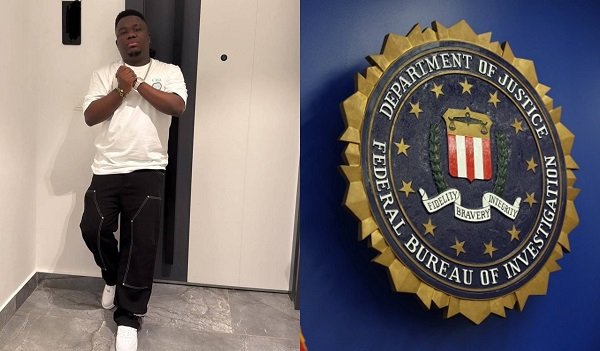
A federal grand jury in Cleveland has indicted a Ghanaian national accused of playing a major role in a wide-reaching romance scam that defrauded elderly Americans of more than $8 million.
According to the unsealed indictment, 31-year-old Frederick Kumi, also known as Emmanuel Kojo Baah Obeng and Abu Trica, allegedly operated within a criminal network that, since 2023, used romance schemes to deceive victims across multiple states. Kumi was arrested in Ghana on December 11, 2025 following a coordinated international effort.
Prosecutors say members of the network relied on artificial intelligence tools to create convincing online identities. These false personas were used to build emotional connections with victims—mostly elderly individuals—through social media, dating platforms, emails, calls, and messaging applications.
Investigators revealed that scammers maintained close, intimate communication with victims and later requested money under fabricated stories, including urgent medical needs, travel problems, or investment opportunities. Once victims agreed to send funds, the money was allegedly funneled through intermediaries before reaching co-conspirators in the United States, Ghana, and other locations. Kumi is accused of helping move these funds from Ohio to other destinations.
Kumi faces charges of conspiracy to commit wire fraud and money laundering conspiracy, along with a forfeiture specification. If convicted, he could spend up to 20 years in federal prison. His final sentence will depend on multiple factors, including the specifics of the crime and any prior criminal history.
Authorities stressed that an indictment is not proof of guilt, and every defendant is entitled to a fair trial where prosecutors must establish guilt beyond a reasonable doubt.
The case was investigated by the FBI Cleveland Division, with prosecution led by Assistant U.S. Attorney Brian M. McDonough. U.S. officials acknowledged the crucial support of Ghanaian institutions including the Attorney-General’s Office, the Economic and Organised Crime Office (EOCO), the Ghana Police Service, the National Intelligence Bureau, NACOC, the Cyber Security Authority, as well as U.S. agencies such as Homeland Security Investigations, the DEA, and the Justice Department’s Office of International Affairs.
The prosecution forms part of the Elder Justice Initiative, a program designed to combat financial fraud and abuse targeting senior citizens.