
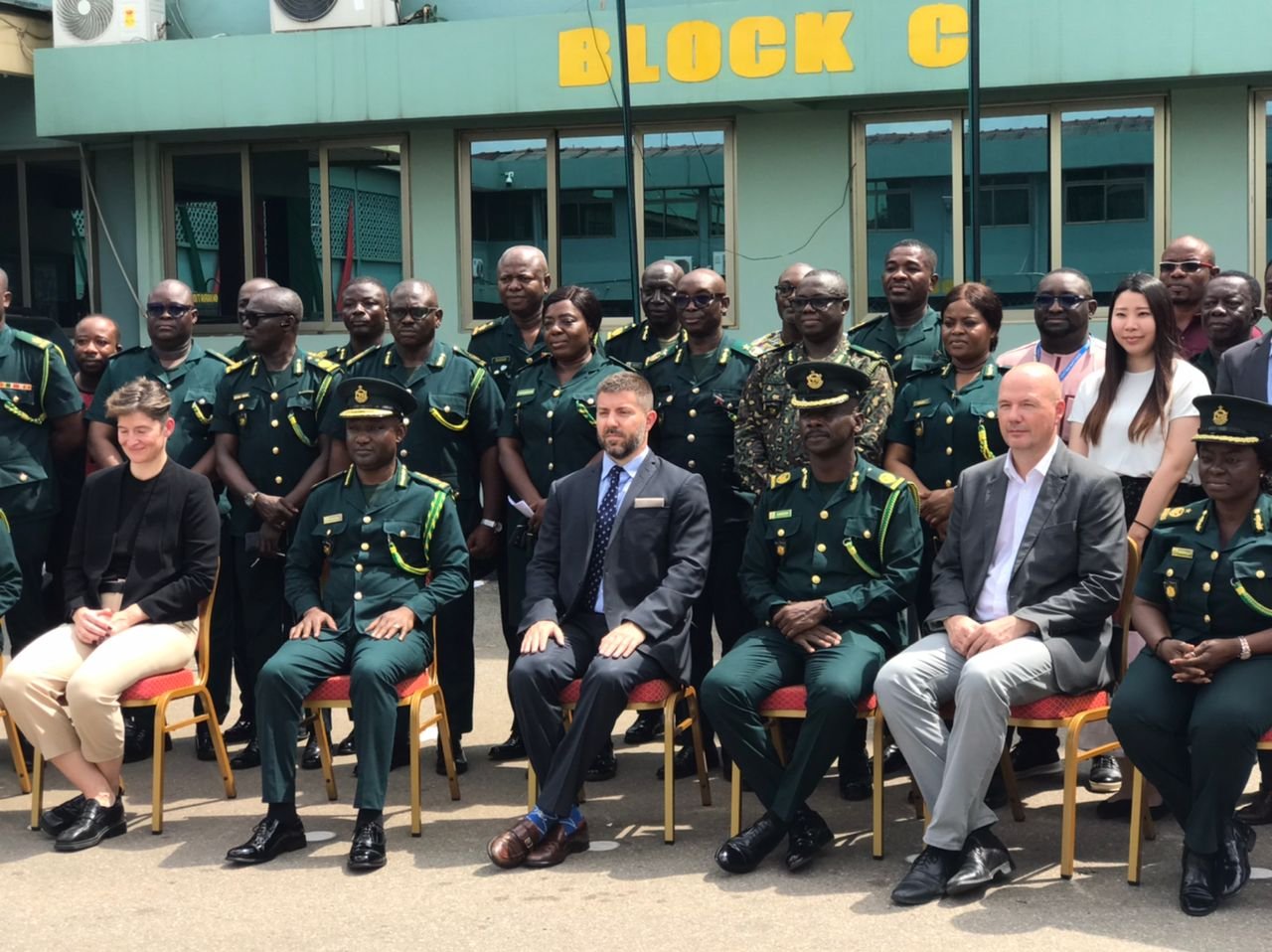
The Ghana Immigration Service (GIS) has introduced a new Community Engagement Strategy aimed at strengthening collaboration with border communities to improve national security and enhance border management.
The initiative was announced as part of GIS’s broader efforts to deepen partnerships with local residents, traditional authorities, security agencies and other stakeholders in areas around Ghana’s borders.
Under the new strategy, immigration officers will work closely with community leaders to exchange information, identify security threats, and boost cooperation in preventing cross-border crime. Officials say that involving local people and organisations is crucial for early detection of irregular movements, smuggling activities, and other activities that may threaten national security.
GIS Director-General expressed that the approach recognises the important role that communities play in supporting border surveillance and law enforcement. Instead of immigration operating in isolation, authorities want to tap into the “eyes and ears” of local residents — especially in remote areas where official presence is limited.
The community engagement strategy also includes plans to educate residents on lawful travel and migration procedures, as well as to raise awareness about the risks of human trafficking, irregular migration, and the use of fraudulent travel documents.
In his remarks, the Director-General highlighted that building trust and open communication with border populations will not only improve security but also promote socio-economic development in those regions.
Stakeholders at the launch welcomed the initiative, noting that it reflects a more inclusive approach to border protection that values local knowledge and shared responsibility.
GIS said it will rollout the programme in phases, starting with key border districts before expanding nationwide. The Service hopes that involving communities more directly will lead to safer borders and stronger national security outcomes.