
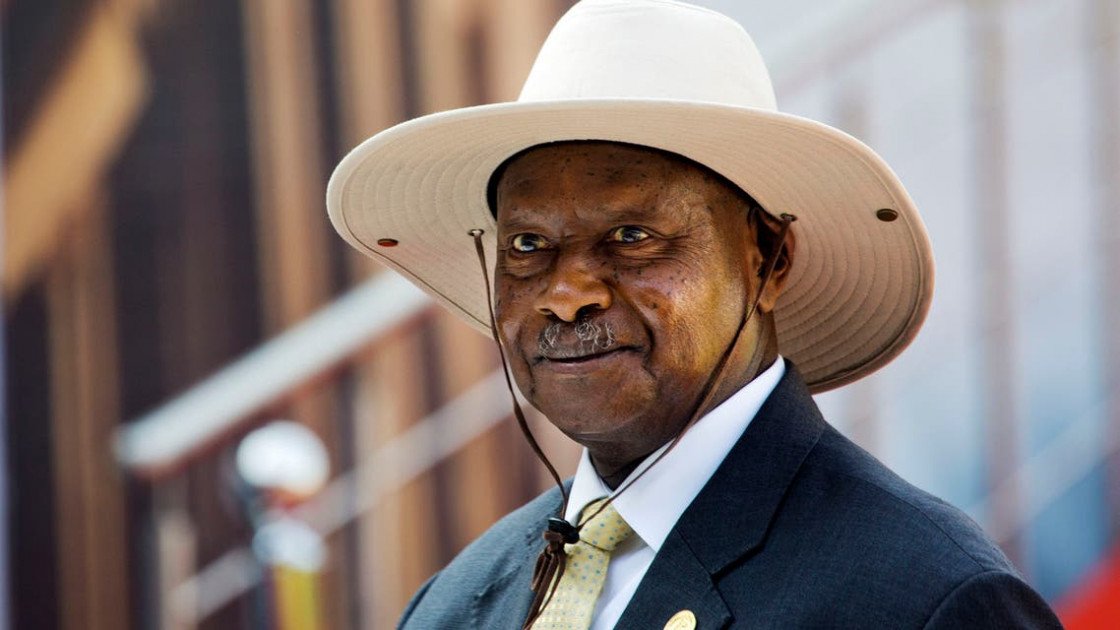
Yoweri Museveni once openly criticised African leaders who clung to power for too long, but nearly four decades after taking office, Uganda’s long-serving president is now seeking a seventh term. At 81, Museveni shows little sign of stepping aside, having first seized power in 1986 after leading an armed uprising.
His time in office has brought prolonged stability and notable development, earning him loyalty from supporters who credit him with peace and economic progress. However, critics argue that his continued rule has relied on sidelining opponents and weakening independent institutions. Museveni himself once dismissed the idea of presidential term limits, a stance that later shaped Uganda’s political landscape.
Born in 1944 to a family of cattle keepers in western Uganda, Museveni grew up during the country’s turbulent march to independence. He later studied economics and political science at the University of Dar es Salaam, where he became deeply involved in regional political activism. His profile rose after the overthrow of dictator Idi Amin, a period marked by widespread human rights abuses.
After Amin’s fall and the disputed return of Milton Obote to power, Museveni launched a guerrilla war in 1981. Five years later, his National Resistance Movement captured Kampala, installing him as president. Uganda then experienced steady economic growth, expanded access to education and a successful campaign that reduced HIV infection rates, developments that boosted Museveni’s international standing.
That reputation suffered in the late 1990s when Uganda became involved in the conflict in the Democratic Republic of Congo. Around the same time, critics began to accuse Museveni of intolerance toward dissent and of abandoning earlier principles about leadership turnover. Constitutional amendments in 2005 removed presidential term limits, and in 2017 age limits were scrapped after a chaotic parliamentary session, clearing the way for Museveni to remain in office indefinitely.
Opposition figures have faced repeated arrests, prosecutions and heavy security pressure. Long-time rival Kizza Besigye and pop star-turned-politician Bobi Wine have both been detained multiple times, with security forces often accused of using excessive force against their supporters. International observers and rights groups have raised concerns about the shrinking space for political opposition and media freedom.
Museveni’s supporters counter these criticisms by pointing to stability and Uganda’s role as a major host of refugees fleeing conflict in neighbouring countries. They argue that his leadership has kept the country secure and positioned it as a regional anchor amid instability elsewhere. The government has also pursued foreign investment and ambitious development goals, aiming to transform Uganda into a middle-income country by 2040.
As questions about succession grow louder, critics fear Uganda is drifting toward dynastic rule. Museveni’s wife serves as education minister, while his son, Gen Muhoozi Kainerugaba, heads the army and is widely seen as a potential successor. Despite the speculation, Museveni remains confident, portraying himself as energetic and indispensable to Uganda’s future.
With nearly 40 years in power behind him, Museveni believes another electoral victory is within reach. Whether that confidence secures his legacy or deepens divisions over leadership and democracy remains a defining question for Uganda’s future.