
Tensions between Ethiopia and Eritrea are rising sharply as both nations trade increasingly hostile rhetoric over access to the Red Sea. Ethiopia’s renewed push for a direct route to the sea — specifically through Eritrea’s Assab port — has triggered growing international concern about the possibility of armed conflict between the long-troubled neighbours.
Prime Minister Abiy Ahmed has repeatedly framed sea access as a strategic and existential issue for Ethiopia, which has been landlocked since Eritrea gained independence in 1993. Abiy and Ethiopia’s military leadership have gone further in recent months, openly suggesting that Assab rightfully belongs to Ethiopia, with some statements hinting that force could be used to reclaim it.
In a series of remarks since late August, senior Ethiopian officials — including army chief Field Marshal Birhanu Jula and Ethiopia’s ambassador to Kenya, Bacha Debele — have declared that taking back Assab is now a national priority. Field Marshal Birhanu even argued that the interests of Eritrea’s population “cannot override” those of Ethiopia’s 130 million people.
Eritrea has responded cautiously but firmly. Information Minister Yemane Gebremeskel has dismissed Ethiopia’s sea-access arguments as “dangerous” and “irredentist,” warning that any attempt to seize territory would cross a red line. In a rare statement, Eritrea’s army cautioned Ethiopian leaders not to lead their people “into an abyss.”
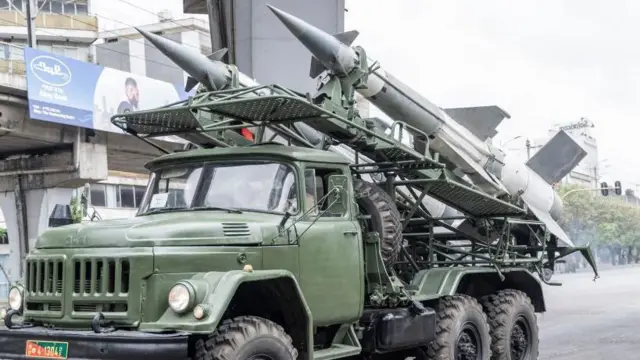
So far, no major troop movements have been reported along the border. However, Ethiopia has showcased mass military graduations, new weapons, and increased recruitment — signalling heightened readiness. Eritrea, with its long-standing mandatory national service, has remained largely quiet but reportedly restricted military movements internally.
State media on both sides have amplified nationalist narratives. Ethiopian outlets have intensified messaging that the country “unjustly lost” its ports, while Eritrean media accuse Ethiopia of trying to resurrect issues resolved decades ago. Even some Eritrean opposition outlets based abroad have set aside political differences to unite behind the defence of Eritrean territory.
The roots of the crisis stretch deep. After decades of Italian and British rule, Eritrea was federated with Ethiopia until Emperor Haile Selassie dissolved the arrangement in 1962, sparking a 30-year war for independence. Despite brief cooperation in the 1990s, the two nations fought a devastating border war in 1998, and their relationship has remained turbulent ever since. The 2018 peace deal, which helped earn Abiy the Nobel Peace Prize, now appears to be collapsing as tensions flare once again.
With both sides holding firm positions and nationalist sentiment growing, regional watchers fear the dispute could escalate — reviving one of Africa’s most volatile rivalries.