
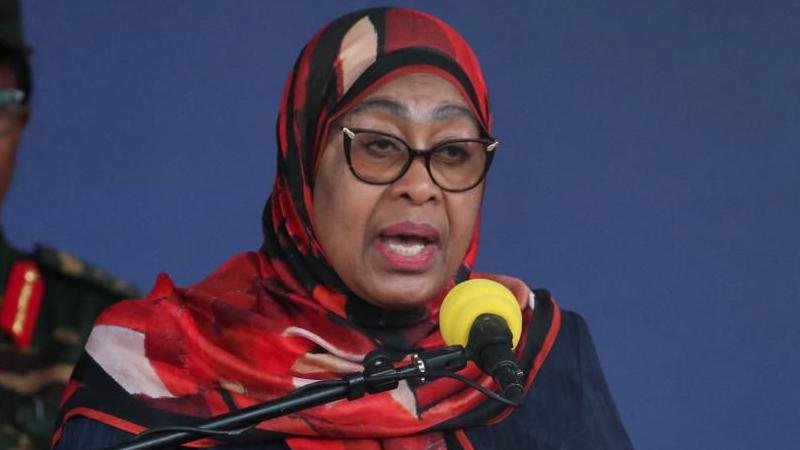
Tanzania’s President Samia Suluhu Hassan has admitted that the violent unrest following last month’s disputed elections has tarnished the country’s long-standing reputation for peace and stability. Speaking during the swearing-in of her new cabinet, she warned that the chaos could have long-lasting economic and diplomatic consequences.
President Samia, who secured a widely challenged 98% victory in the October presidential election, said the turmoil had weakened the country’s credibility with international partners.
“We rely heavily on external financing, but what happened has shaken the confidence of global lenders,” the president said, stressing that the unrest risked pushing Tanzania backwards.
The opposition—barred from contesting in the polls—condemned the election as undemocratic. Their supporters took to the streets in mass protests that were met with a fierce response from security agencies. According to opposition figures, hundreds of people may have been killed during the crackdown, which unfolded under a five-day internet shutdown. Authorities have yet to provide an official death toll.
Graphic images and videos circulating online have intensified scrutiny, with several prominent opposition figures either detained or disqualified in the lead-up to the vote. More than 240 people have since been charged with treason.
President Samia, who assumed office in 2021 after the passing of John Magufuli, initially opened up political space but has more recently faced criticism for tightening control. She has now launched an official investigation into the post-election violence and urged prosecutors to consider reducing or dropping charges for detainees not directly involved in the unrest.
Looking ahead, she cautioned that her incoming administration may face financial hurdles, noting that securing international loans may now be more difficult. She stressed the need to maximise domestic revenue and manage national resources more efficiently.
Among the notable appointments in the new 27-member cabinet is her daughter, Wanu Hafidh Ameir, who becomes deputy education minister. Her son-in-law, Mohamed Mchengerwa, continues in cabinet as health minister. Seven previous ministers were dropped.
Meanwhile, former Malawi president Lazarus Chakwera is expected to arrive in Tanzania as the Commonwealth envoy to lead reconciliation efforts. His mission will include meetings with government officials, political party figures, civil society, religious leaders, and diplomats.