
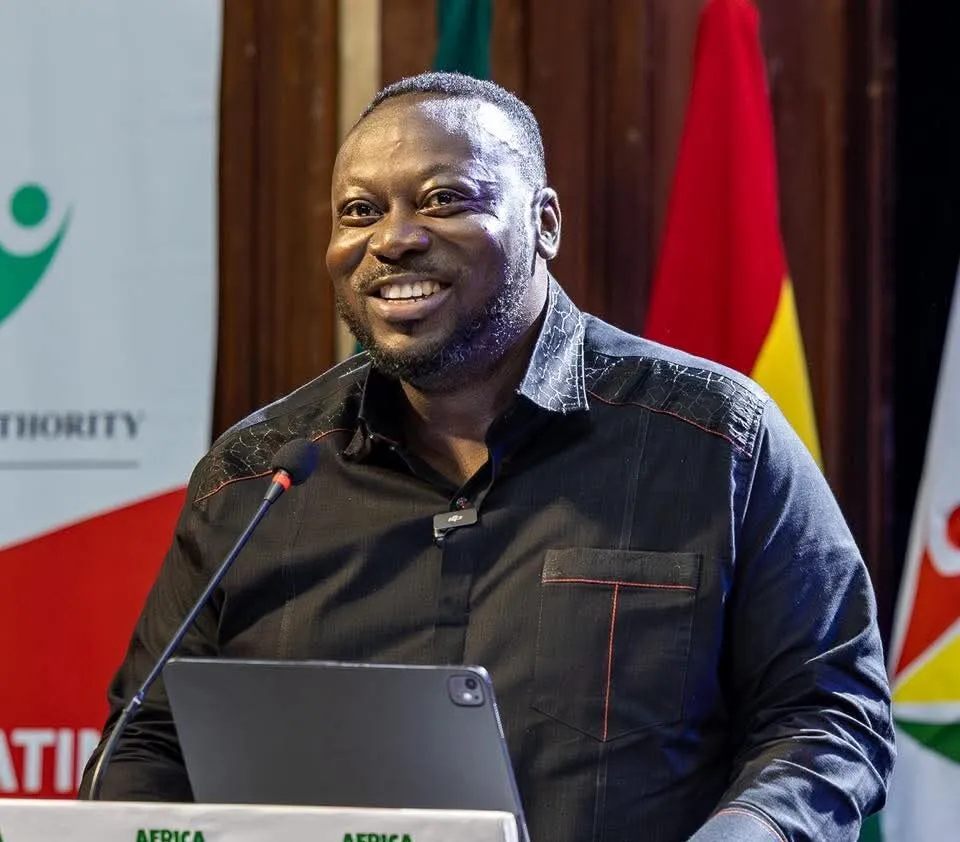
Minister for Youth Development and Empowerment, George Opare Addo, has revealed alarming new research showing that 43.6% of young people who engage in gambling experience depression linked to betting activities.
Speaking at the State of the Youth Address (SOYA) 2025 in Accra on Wednesday, November 5, 2025, Mr. Opare Addo described gambling as one of the major contributors to the rising cases of mental health challenges among young Ghanaians.
According to him, many young people are turning to betting as an emotional escape from growing pressures such as academic stress, social media influence, financial struggles, and uncertainty about their future.
“Betting is no longer just a game of chance — it’s becoming a coping mechanism for young people facing overwhelming stress,” he said. “Unfortunately, this leads to depression, anxiety, and in some cases, addiction.”
The Minister further warned that substance abuse among teenagers continues to worsen the situation. He revealed that 26% of first-time drug users are aged 14 to 15, while 41% fall between 16 and 17 years.
He explained that early drug exposure significantly affects memory, learning, emotional control, and judgment, often resulting in poor academic performance, school dropout, addiction, and long-term unemployment.
“Young people are being exposed to drugs and alcohol at dangerously early ages,” he cautioned. “These substances are easily available, even within or near schools, creating a national concern that we cannot ignore.”
Mr. Opare Addo emphasized the need for stronger counselling systems, more robust school-based mental health support, and increased collaboration between government agencies, parents, and civil society to address these growing risks.
He disclosed that the Ministry for Youth Development and Empowerment is working closely with key stakeholders to design and implement a national strategy aimed at tackling youth mental health challenges, gambling addiction, and substance abuse.
“Protecting the mental and emotional wellbeing of young people is not just a government task — it’s a national responsibility,” he concluded. “Families, schools, and communities must work together to guide our youth away from harmful habits and toward a hopeful future.”