
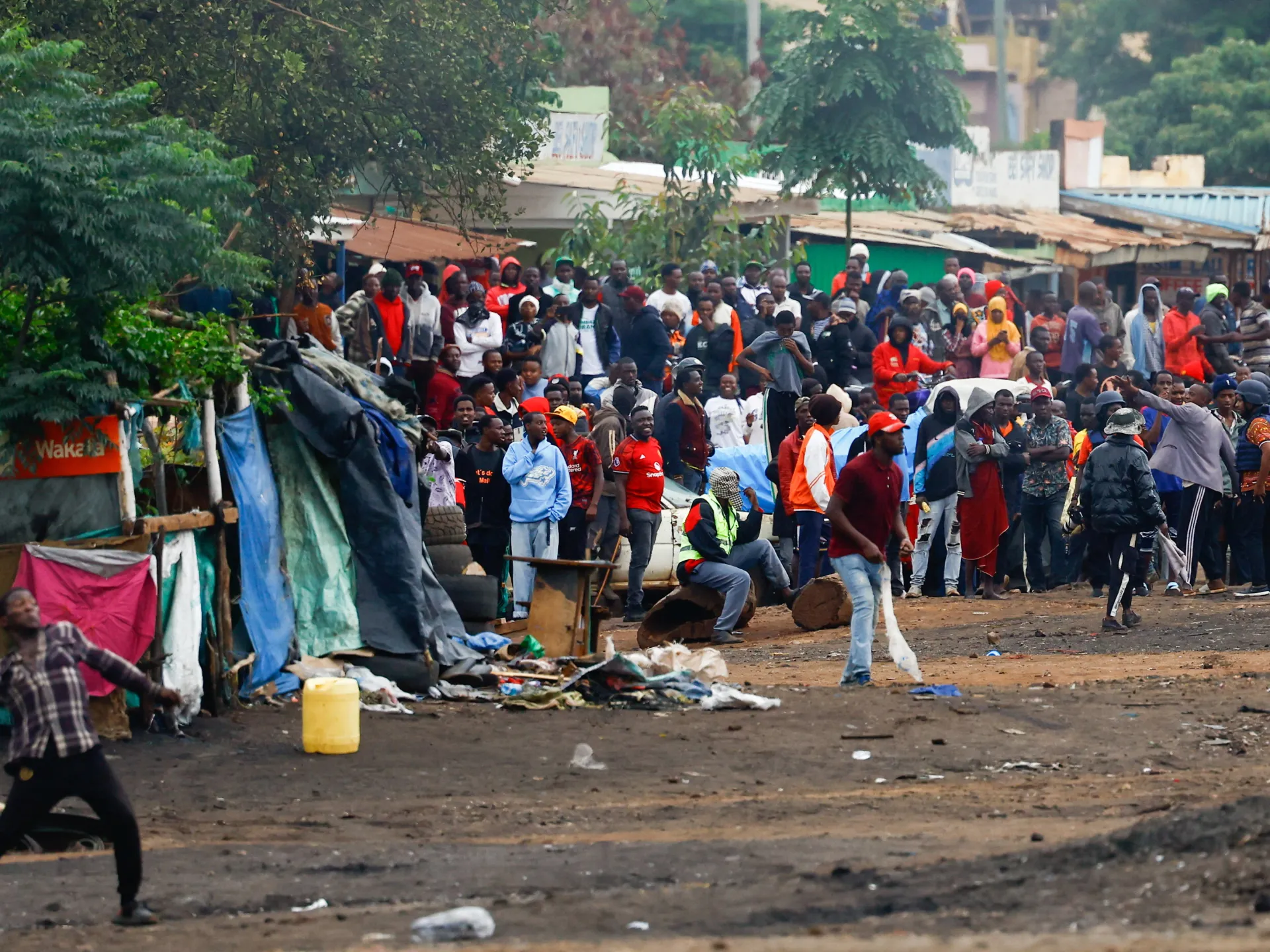
At least 240 people have been charged with treason in Tanzania following violent protests that erupted after last week’s disputed national election, which handed President Samia Suluhu Hassan a landslide victory with 98% of the vote.
Authorities said the defendants, who appeared before a court in Dar es Salaam, were accused of inciting demonstrations aimed at disrupting the electoral process. They were not required to enter pleas during Friday’s hearing.
According to court documents obtained by the BBC, the accused include business figures and online influencers, some of whom allegedly encouraged citizens to buy gas masks to protect themselves from police tear gas during the protests.
Among those charged is prominent businesswoman Jenifer Jovin, who was reportedly arrested for urging protesters to prepare for the government’s crackdown.
If convicted, the defendants could face the death penalty, although executions in Tanzania have not been carried out since the 1990s. Most death sentences are commuted to life imprisonment.
Deadly Crackdown and Diplomatic Fallout
The treason charges come amid a brutal post-election crackdown that has left hundreds dead, according to opposition sources and rights groups. The government has disputed these numbers, insisting that the election was free, fair, and peaceful.
Security forces were deployed across several cities, including Dar es Salaam, Arusha, and Dodoma, following widespread demonstrations denouncing the election as a “sham.” Many opposition leaders were detained or barred from running in the polls.
During her inauguration ceremony, President Samia condemned the unrest, accusing foreign nationals of fueling the violence.
However, her remarks have sparked a diplomatic standoff with neighboring Kenya, after reports that Kenyans living in Tanzania were among those attacked, detained, or killed during the protests.
Kenya’s Foreign Affairs Minister Musalia Mudavadi said his government had raised the issue with Tanzanian Foreign Minister Mahmoud Thabit Kombo, stressing the importance of protecting the safety and dignity of Kenyan nationals in the country.
“We have received formal reports of harassment and injury. These concerns are being addressed through diplomatic and consular channels,” Mudavadi said.
An estimated 250,000 Kenyans live and work in Tanzania, many in the education and business sectors. But following the crackdown, reports indicate that some Kenyans are now fleeing amid fears of further violence.
Human Rights Concerns Mount
Rights groups say the government’s response to the protests has been excessively harsh, with witnesses reporting extrajudicial killings and enforced disappearances.
A doctor at Muhimbili Hospital in Dar es Salaam told reporters that vehicles marked “Municipal Burial Services” had been collecting bodies believed to be those of protesters.
One confirmed victim, John Ogutu, a Kenyan teacher, was reportedly shot dead by police while buying food. His family says his body has yet to be located for repatriation.
The Kenyan Foreign Ministry has since urged families with relatives in distress in Tanzania to submit their details for assistance, acknowledging public frustration over what many perceive as a slow government response.
Election Disputed and Political Space Tightens
International and regional observers—including those from the African Union (AU) and the Southern African Development Community (SADC)—said the Tanzanian polls fell short of democratic standards, citing reports of ballot stuffing and intimidation.
President Samia, who came to power in 2021 following the death of John Magufuli, was initially praised for loosening restrictions on political freedoms. However, critics say her administration has since tightened control and silenced dissent.
Her swearing-in ceremony, held under heavy security at a military parade ground in Dodoma instead of a public stadium, was closed to the public but broadcast live on state television.
Tanzania and Kenya—both members of the East African Community (EAC)—have experienced periodic diplomatic tensions, including a recent dispute in May over the detention of Kenyan and Ugandan activists who attended the treason trial of opposition leader Tundu Lissu.