
Ghana has rolled out a new electronic visa policy alongside plans to reinvigorate Ghana Airways, aiming to strengthen connections with the Ghanaian diaspora and boost inbound travel and investment.
The government says the e-visa system will make it easier and faster for visitors — especially Ghanaians living abroad — to obtain travel authorisation, cutting down on lengthy processing times and bureaucratic hurdles. Officials hope the policy will encourage more members of the diaspora to return home for business, leisure, family visits, and long-term settlement.
At the same time, plans to revive Ghana Airways are gaining momentum. The national carrier, which ceased operations years ago, is expected to play a key role in enhancing international air links, improving global connectivity, and fostering economic ties. Government leaders argue that a strong national airline will boost tourism, cargo movement, and business travel, making Ghana a more attractive destination for diaspora investment.
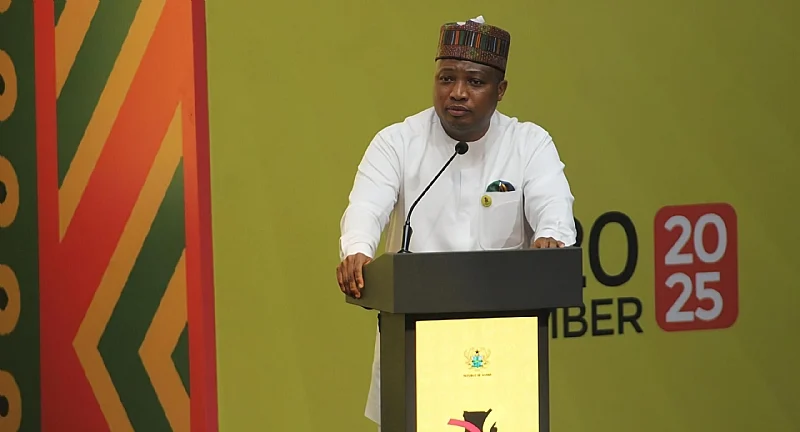
Speaking at a recent event on national development, senior officials described the twin initiatives as part of a broader strategy to attract diaspora capital — both emotional and financial — back into the country. They noted that Ghana’s large and economically active diaspora community represents a significant resource for national development if barriers to travel and investment are eased.
The new e-visa regime is expected to streamline entry procedures for a wide range of travellers, including students, investors, family members, and tourists. By removing traditional visa obstacles, authorities hope more foreign nationals will choose Ghana as a destination for cultural engagement and business ventures.
Meanwhile, the government’s push to resuscitate Ghana Airways has already garnered interest from potential partners and aviation stakeholders. Officials say the revived airline would operate modern fleets and serve an expanded route network, connecting Ghana more directly to key global markets.
Supporters of the initiatives argue that the combined impact of improved air travel infrastructure and simplified visa access could significantly increase foreign exchange inflows and stimulate sectors like tourism, commerce, and real estate.
Critics caution that success hinges on effective implementation, transparent governance, and sustainable business models for the airline. They stress that while easier visas and a national carrier are positive steps, broader challenges such as infrastructure, regulatory frameworks, and economic stability must also be addressed to attract lasting diaspora engagement.
Government representatives have pledged ongoing consultations with stakeholders, including diaspora organisations, business leaders, and travel industry players, to ensure the new policies deliver tangible benefits for both returning Ghanaians and international visitors.